World
US Munitions Stocks Face Strain Amid Prolonged Middle East Naval Operations
By 19Network Editorial Team · Apr 24, 2026 · 2 min read
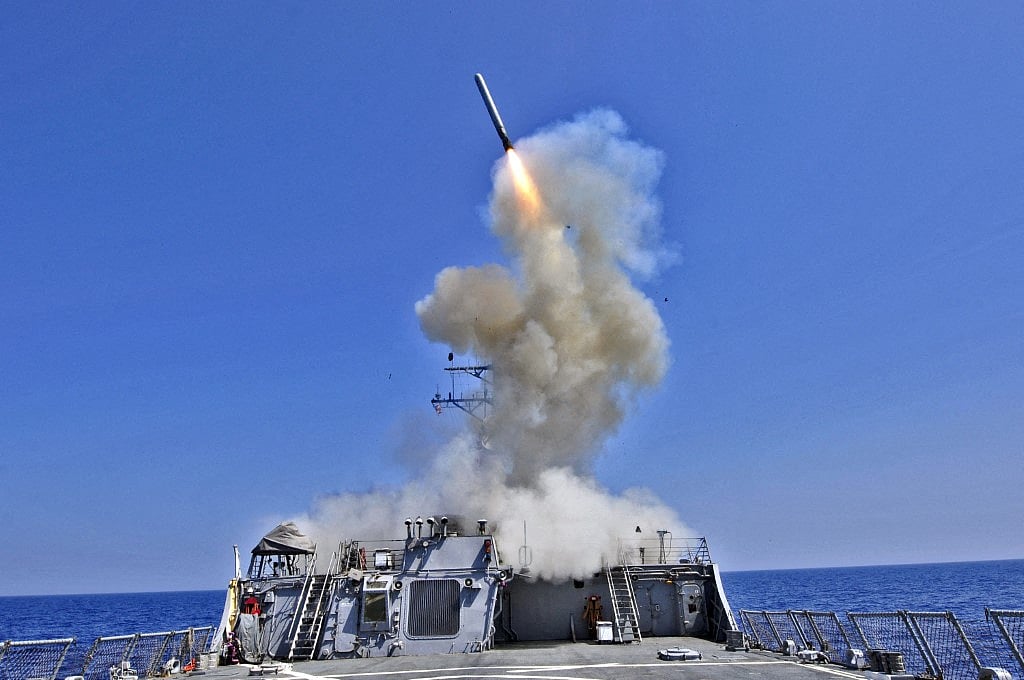
Pentagon faces munitions shortages as Red Sea operations consume high-cost interceptors against low-cost threats.
The Pentagon faces increasing pressure on its munitions stockpiles as US naval and air forces engage in prolonged defensive operations against Iran-backed Houthi forces in the Red Sea. Current mission rates are consuming advanced interceptors and precision-guided munitions at a pace that analysts suggest could compromise readiness for other potential global conflicts. High-Cost Intercepts and Stockpile Strain US destroyers in the region frequently deploy Standard Missile-2 (SM-2) and Standard Missile-6 (SM-6) interceptors, which cost between $2 million and $28 million per unit. These assets are being used to neutralize low-cost Houthi drones and anti-ship cruise missiles. Navy Secretary Carlos Del Toro previously informed US lawmakers that the service has expended nearly $1 billion in munitions during these engagements, creating a significant budgetary and logistical gap. The Department of Defense is now prioritizing the ramp-up of industrial production. However, the American defense industrial base currently struggles with lead times for critical components, including solid rocket motors and advanced semiconductors. This bottleneck limits the speed at which depleted stocks of the Patriot missile system and Tomahawk cruise missiles can be replenished. Strategic Impact on Regional Deterrence Military strategists warn that the rate of consumption in the Middle East directly affects theater requirements in the Indo-Pacific. The reliance on high-end interceptors against…
Source: Gulf News