World
US-Iran Tensions Rise in Hormuz as Informal Truce Fails to Hold
By 19Network Editorial Team · May 5, 2026 · 2 min read
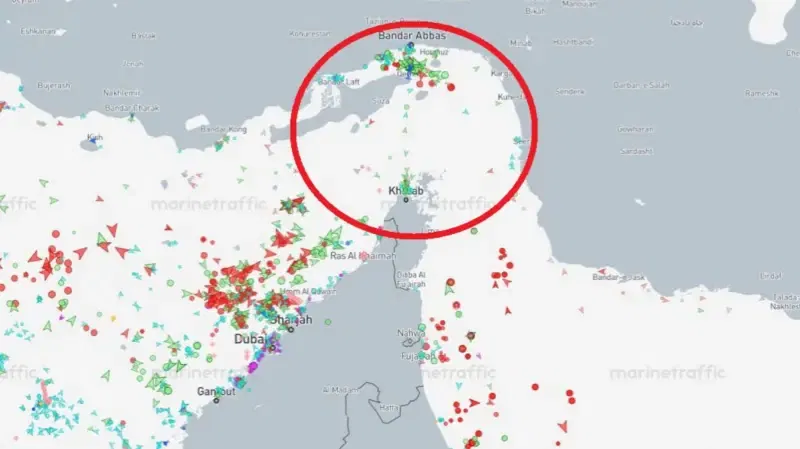
Escalating military friction in the Strait of Hormuz threatens global oil supplies as the US deploys advanced fighter jets and naval assets.
Military tensions in the Strait of Hormuz have escalated following a series of maritime incidents involving US and Iranian forces, threatening the informal de-escalation agreement maintained throughout late 2023. The surge in activity follows increased naval patrolling by the US Fifth Fleet after Iranian authorities seized several commercial tankers in the strategic waterway. Strategic threats to energy corridors The Strait of Hormuz remains the world’s most critical oil chokepoint, with approximately 21 million barrels of crude passing through daily. Recent intelligence reports indicate that Iranian naval assets have increased their presence near international shipping lanes. This shift follows US attempts to seize Iranian oil cargoes under sanctions enforcement, creating a cycle of retaliatory actions that now impact regional maritime insurance premiums and logistical costs. The US Department of Defense has deployed additional F-16 and F-35 fighter jets, alongside the USS Bataan amphibious ready group, to the region. This hardware deployment aims to deter interference with commercial vessels, particularly those flying under European or Asian flags that have recently reported harassment by Iranian fast-attack craft. Implications for Gulf security For UAE and regional markets, the volatility in the Gulf waters risks disrupting post-pandemic economic gains. While regional diplomatic efforts have previously sought to lower the temperature between Tehran and its neighbors, the…
Source: Gulf News