World
Global Shipping Crossroads Escalates: U.S. Expands Air Campaign in Southern Iran, Striking Crucial Strategic Infrastructure
U.S. Central Command launches strikes on bridges and military targets in Qeshm Island and Bandar Abbas, aiming to break the blockade on the vital Strait of Hormuz.
By 19Network Editorial Team · Jul 17, 2026 · 5 min read
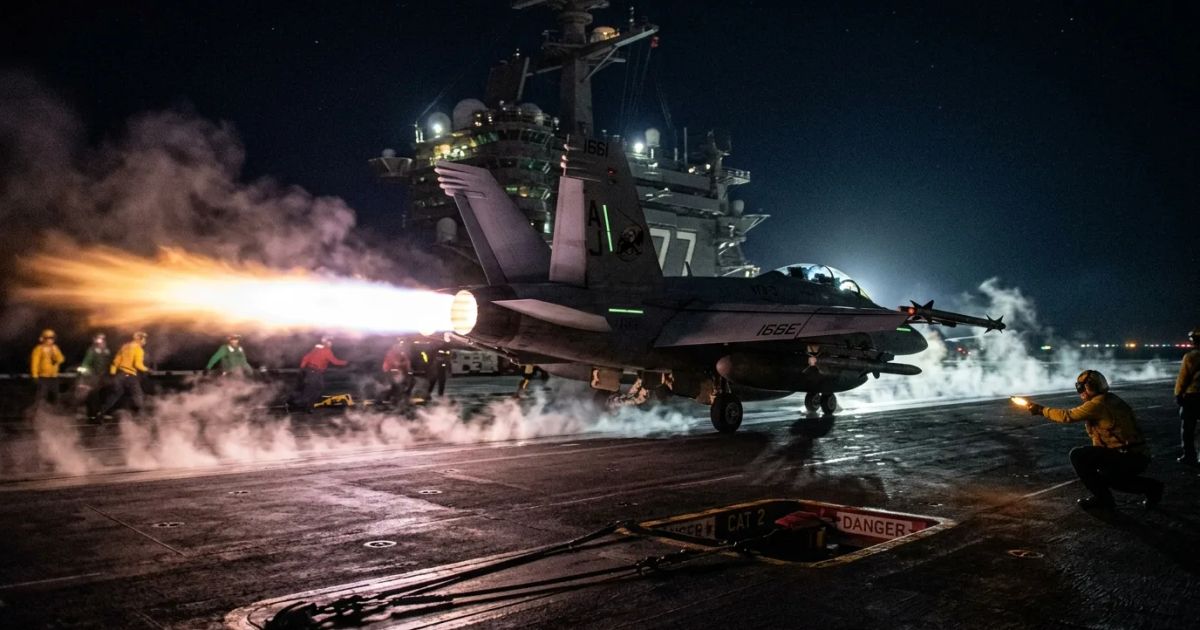
In a dramatic widening of the West Asian conflict, U.S. forces have targeted infrastructure near Iran’s largest commercial port to counter growing threats against international maritime shipping corridors.
The maritime trade routes that power the global economy are facing their most critical security test in decades. In a highly significant and dramatic expansion of the ongoing West Asia conflict, the United States military has intensified its air campaign in southern Iran, launching targeted strikes against key transportation infrastructure. According to a press statement released by U.S. Central Command, naval and air assets launched a coordinated series of projectiles striking Qeshm Island and tactical locations near Bandar Abbas—home to Iran’s largest commercial port and primary naval installations. The strategic focus of the expanded air campaign is the systematic targeting of transport bridges and logistics corridors. The U.S. administration indicated that these strikes are intended to disrupt the tactical movement of military equipment and push Tehran into easing its blockade on the Strait of Hormuz, through which more than 20% of the world's petroleum flows. With local state media reporting several casualties following the strikes on bridges, regional diplomatic entities are working under extreme pressure to prevent the situation from spiraling into an all-out, uncontrolled conflict. The immediate impact of the military action has sent shockwaves through international maritime shipping networks. Cargo container lines and energy conglomerates have suspended transit routes through the Gulf region, diverting giant tankers around the southern tip of Africa instead. The…