UAE
UAE strengthens critical infrastructure resilience to secure long-term economic stability
By 19Network Editorial Team · Oct 20, 2026 · 2 min read
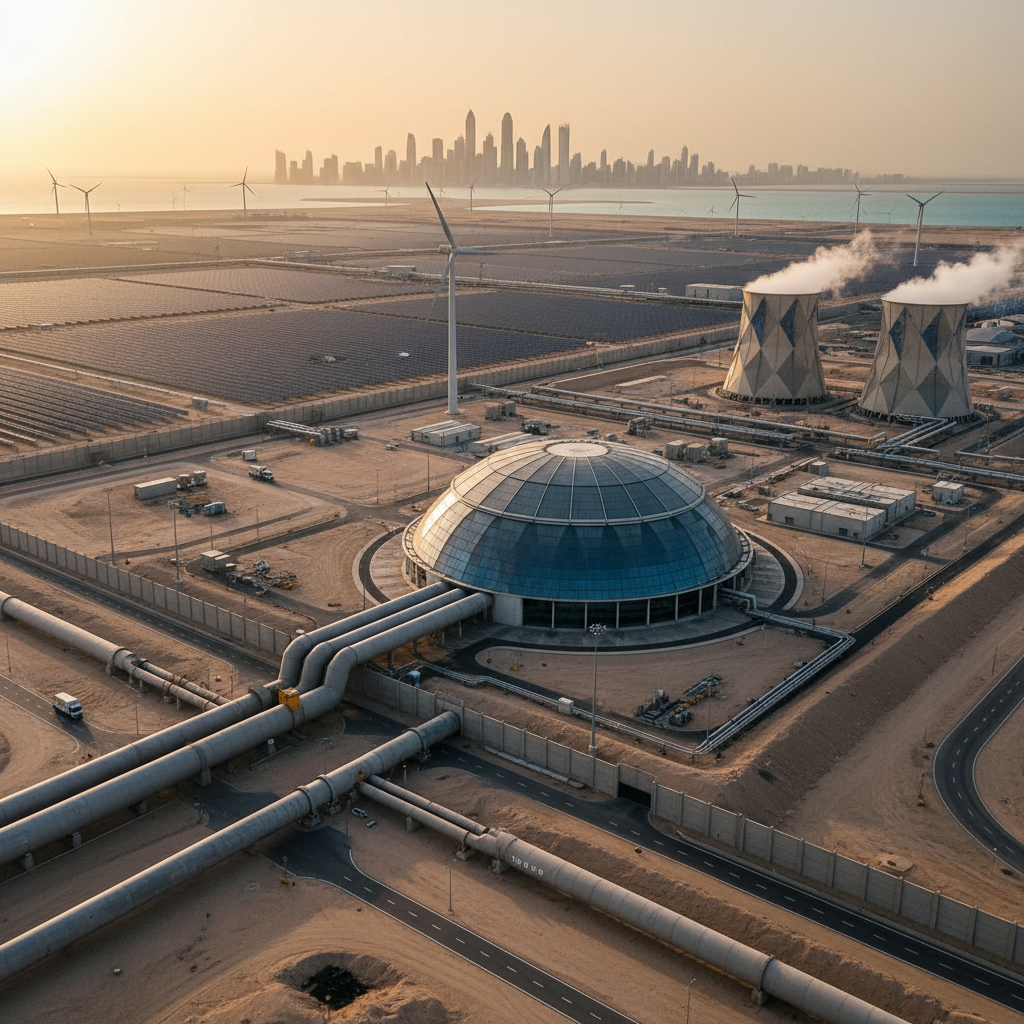
The UAE is strengthening its energy and water networks through the Energy Strategy 2050 and long-term private-public partnerships to ensure economic stability.
The UAE is prioritising the resilience of its critical infrastructure as a cornerstone of economic stability, focusing on diversified energy sources and long-term private-public partnerships to ensure service continuity. Power generation, desalination, and transmission networks are being managed through structured frameworks designed to protect essential services including hospitals, airports, and data centres. Diversified energy and water security The national energy grid has shifted toward a broader mix, integrating gas-fired generation with utility-scale solar projects. This diversification is a core component of the UAE Energy Strategy 2050 and the Net Zero by 2050 pathway. According to Niko Cornelis, CEO GCC and Vice President of Operations for Generation International, these systems are deeply interconnected, as the country’s water security is fundamentally tied to energy security through power-intensive desalination processes. Operational continuity is maintained through disciplined reserve margins, emergency restart testing, and the protection of industrial control systems from digital and physical threats. Frontline teams operate these facilities around the clock, supported by escalation protocols that allow for rapid response during periods of high demand or system stress. Long-term operational models A significant portion of the UAE’s infrastructure is developed via independent power and water project (IWPP) structures. These models align investment and…
Source: Gulf News