World
Strategic Shift: Strait of Hormuz Reopens Amid Regional Tensions
By 19Network AI Desk · Apr 17, 2026 · 2 min read
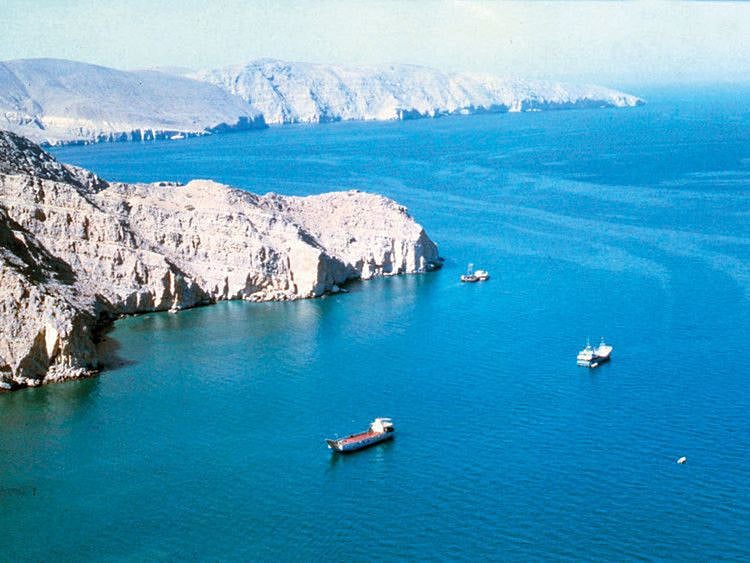
The reopening of the Strait of Hormuz provides a vital reprieve for global oil markets as regional tensions show signs of strategic shifting.
Global energy markets and geopolitical analysts are closely monitoring the Strait of Hormuz following reports of its reopening, a critical maritime artery that carries approximately 20% of the world's oil consumption. The move by Tehran signals a potential shift in the regional security landscape and has immediate implications for global crude pricing. Strategic Importance of the Chokepoint The Strait of Hormuz is widely considered the world's most sensitive oil transit point. Connecting the Persian Gulf with the Gulf of Oman and the Arabian Sea, the narrow waterway is the primary exit route for petroleum from the Middle East's largest producers, including Saudi Arabia, the UAE, Kuwait, and Iraq. Any disruption to the strait historically triggers a spike in Brent and WTI crude prices. The reopening suggests a de-escalation in maritime tensions that have previously seen tanker seizures and military posturing between Iran and Western-allied forces. Implications for Global Conflict Geopolitical experts suggest that the reopening of the strait may indicate a pivot toward diplomatic signaling rather than military confrontation. However, the situation remains fluid. Military analysts warn that while traffic flowing freely is a positive sign for the global economy, the underlying friction points regarding regional influence and nuclear negotiations remain unresolved. "The Strait of Hormuz is not just a commercial shipping lane; it is a geopolitical barometer," noted a regional…