Finance
Strait of Hormuz transit fee threatens higher oil and shipping costs
By 19Network Editorial Team · Jul 18, 2026 · 2 min read
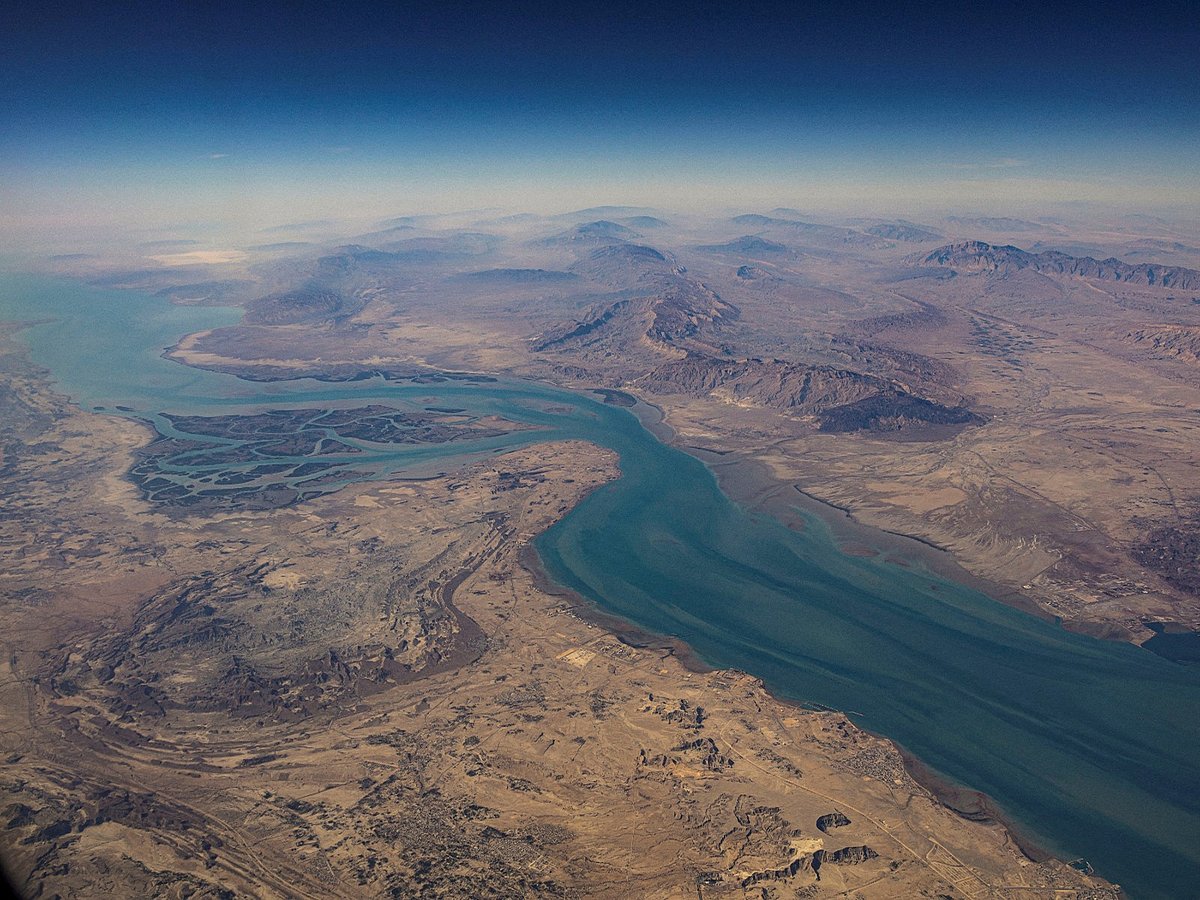
Proposed transit levies for vessels passing through the Strait of Hormuz could raise global energy prices and shipping freight rates.
Shipping operators and global energy markets are assessing the impact of a proposed transit fee for vessels passing through the Strait of Hormuz. The levy, which would apply to commercial ships navigating the strategic waterway, has triggered concerns over increased operational costs for oil tankers and cargo carriers serving the Arabian Gulf. Energy supply chain costs The Strait of Hormuz is the world's most critical oil chokepoint, with approximately 21 million barrels of oil—roughly 21% of global petroleum liquid consumption—passing through it daily. Any additional fee per transit would be passed directly to consumers through higher freight rates and insurance premiums. For UAE-based traders and international shipping lines, the cost per voyage could rise by thousands of dollars depending on the final fee structure and vessel deadweight tonnage. The timing of this proposal is significant as the maritime industry already faces elevated war risk premiums and redirected routes to avoid regional instability. These cumulative costs threaten to inflationary pressures on imported goods and exported energy products. Shipping industry data indicates that bunkering costs and port fees are already at five-year highs, leaving narrow margins for additional regulatory levies. Regional economic implications The fee matters because it affects the competitive pricing of Gulf-sourced crude oil and liquefied natural gas (LNG). If oil majors and shipping conglomerates find the Hormuz route…