Finance
Strait of Hormuz tensions drive global energy costs higher as shipping firms reroute
By 19Network Editorial Team · Jul 24, 2026 · 2 min read
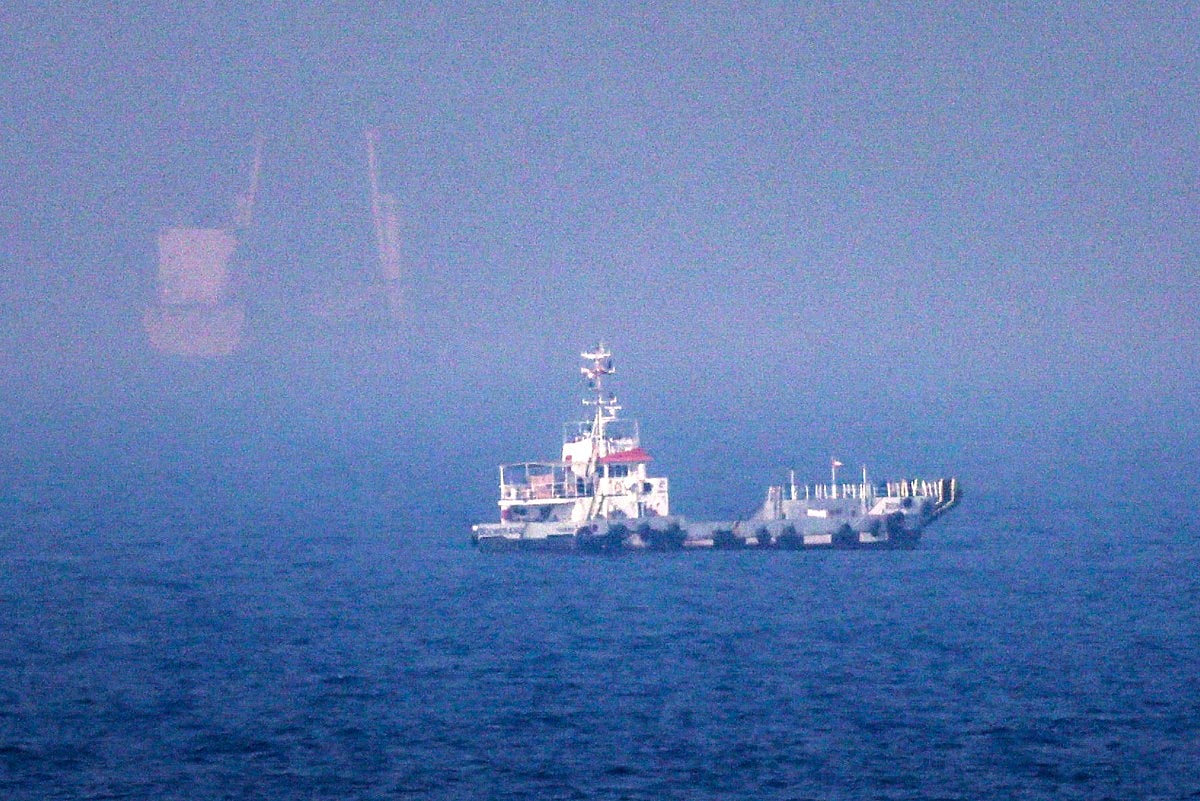
Volatile energy markets and rising insurance premiums force shipping firms to use alternative UAE and Saudi pipelines to bypass the Strait of Hormuz.
Global energy markets face renewed volatility as mounting tensions in the Strait of Hormuz disrupt crude oil flows, forcing major shipping firms to reroute vessels and increase insurance premiums. The 34-mile-wide waterway, which handles approximately 21 million barrels of oil per day, remains the world's most critical energy chokepoint, accounting for 21% of global petroleum liquids consumption. Rising costs for maritime logistics Recent security incidents have prompted a sharp rise in "war risk" surcharges for tankers traversing the Persian Gulf. Freight data indicates that daily charter rates for Very Large Crude Carriers (VLCCs) have fluctuated as operators weigh the risk of seizure against the necessity of fulfilling long-term contracts. Shipping giants including Maersk and Hapag-Lloyd have previously adjusted routes in response to regional instability, a trend that is now impacting shipments destined for European and Asian refineries. The economic impact extends beyond oil. Liquefied Natural Gas (LNG) shipments from Qatar, which relies entirely on the Strait for exports, are also under pressure. Any sustained disruption to this corridor threatens to spark inflationary spikes in energy-dependent economies, particularly Japan, South Korea, and China, which receive more than 75% of the crude oil passing through the Strait. Strategic shift to bypass pipelines The crisis is accelerating investments in alternative export infrastructure within the UAE and Saudi Arabia. Abu…