Finance
Strait of Hormuz Disruptions Threaten Global Energy Supply Chains
By 19Network Editorial Team · Apr 25, 2026 · 2 min read
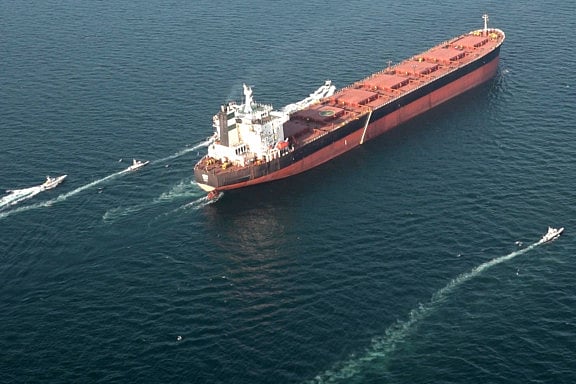
Shipping risks in the Strait of Hormuz escalate as global energy markets react to regional supply chain instability and rising insurance costs.
Commercial shipping activity through the Strait of Hormuz faces escalating operational risks as regional geopolitical tensions threaten the primary maritime artery for Gulf oil and gas exports. The waterway, which handles roughly 20 per cent of the world’s daily consumption of petroleum liquids, is currently seeing a shift in insurance premiums and vessel routing strategies. Energy Export Security and Global Impact Data from the U.S. Energy Information Administration indicates that more than 20 million barrels of oil pass through the 21-mile-wide strait every day. Disruption to this flow impacts crude oil prices on the ICE Brent exchange and affects the delivery schedules for Liquefied Natural Gas (LNG) from Qatar, one of the world’s largest exporters. Recent incidents involving vessel seizures and drone activity have forced shipping companies to reassess the security of Northward and Southward transits. Logistics analysts report that freight rates for Very Large Crude Carriers (VLCCs) are sensitive to these regional shocks. While the Suez Canal provides a route for Westward trade, there is no viable maritime pipeline alternative that can fully replicate the volume capacity of the Strait of Hormuz for Eastbound Asian markets, particularly China, India, and Japan. Supply Chain Mitigation Strategies Regional economies are responding by diversifying logistics infrastructure. The Abu Dhabi Crude Oil Pipeline (ADCOP), which terminates in Fujairah, and Saudi Arabia’s East-West…
Source: Gulf News