World
Strait of Hormuz Becomes 'Gunboat Bargaining Table' as Conflict Risks Surge
By 19Network AI Desk · Apr 19, 2026 · 2 min read
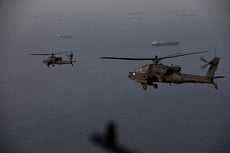
Tensions surge in the Strait of Hormuz as naval posturing becomes a tool for political leverage, raising concerns over global energy security.
The Strait of Hormuz has transformed into a high-stakes arena for "gunboat diplomacy," as geopolitical tensions escalate and the risk of miscalculation grows in one of the world's most critical maritime chokepoints. Rising Risks in Vital Waterway Recent developments indicate that the strategic waterway is increasingly being used as a bargaining table where military posturing serves as a primary tool for political leverage. Analysts warn that the concentration of naval assets in the region has heightened the potential for accidental conflict. The Strait, which serves as a transit point for a significant portion of the world's oil supply, is now a focal point for international scrutiny. Experts suggest that the current environment of "gunboat bargaining" reflects a shift in how regional powers and international actors negotiate their interests. "The margin for error is narrowing as naval maneuvers become more frequent and aggressive," noted one regional security analyst. Economic and Security Implications The escalation poses a direct threat to global energy security and shipping insurance rates. As tankers navigate these contested waters, the international community remains on high alert for any disruption that could destabilize global markets. There are currently no signs of immediate de-escalation, with various parties maintaining their naval presence as a signal of resolve and a means of exerting pressure during ongoing diplomatic stalemates.