World
Shift in Strategy: How the Strait of Hormuz Supersedes Nuclear Ambitions in Iran's Deterrence Playbook
By 19Network Editorial Team · Apr 19, 2026 · 2 min read
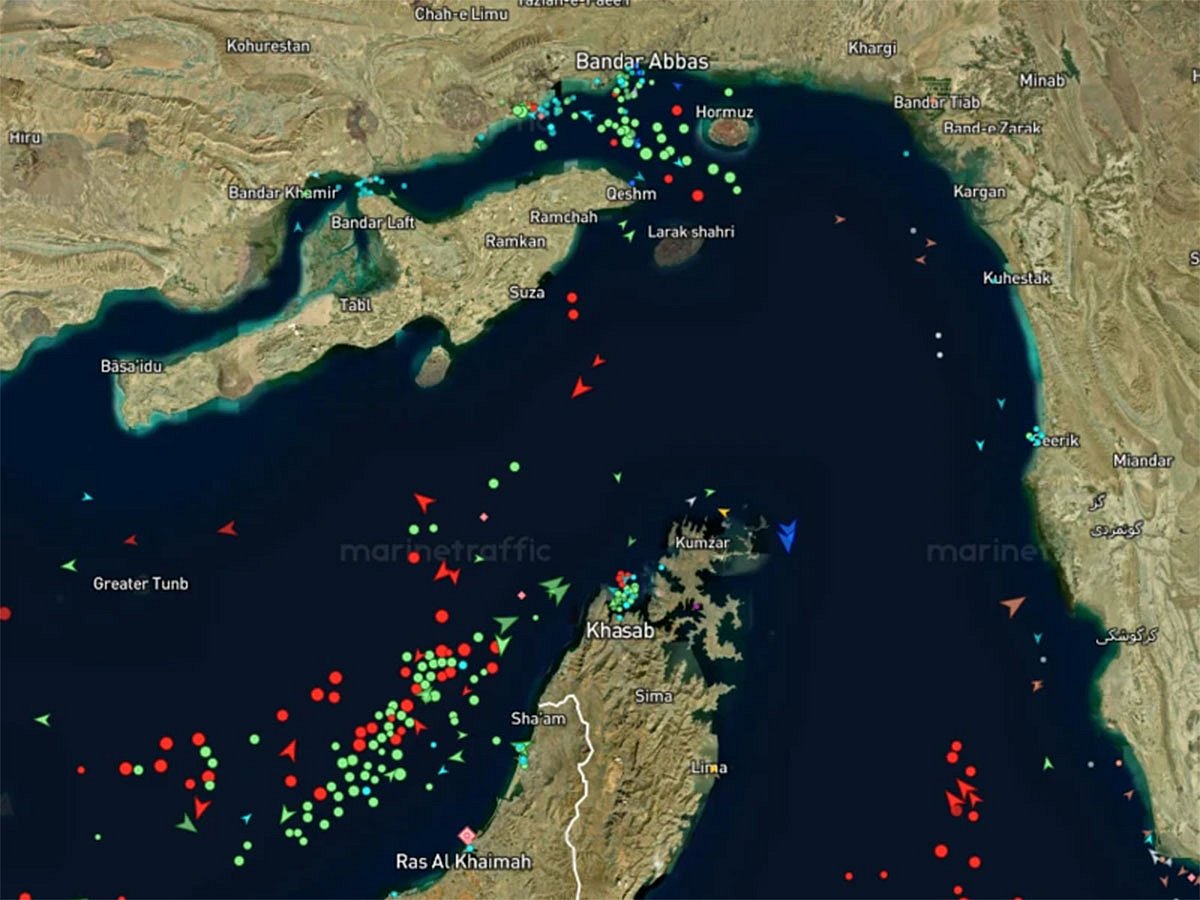
Iran pivots its defense doctrine, prioritizing the strategic control of the Strait of Hormuz over its nuclear program as its primary deterrent against international pressure.
In a strategic shift that is recalibrating regional security dynamics, Iran is increasingly prioritizing the Strait of Hormuz over its nuclear program as its primary tool for strategic deterrence. This evolution in Tehran's defense doctrine marks a departure from traditional reliance on the long-term threat of nuclear enrichment, favoring the immediate, high-stakes leverage of global energy corridors. The Vital Arterial Channel The Strait of Hormuz, the world’s most critical maritime oil chokepoint, carries approximately 20% of the world's total oil consumption. By demonstrating its ability to disrupt this flow, Tehran exerts significant influence over global markets and international policy. Analysts suggest that the immediate economic shock of a closure serves as a more effective deterrent against military intervention than the complex, years-long pursuit of a nuclear weapon. Beyond the Nuclear Shadow While the international community remains focused on Iran's nuclear capabilities, military analysts observe that Iran’s conventional capabilities—including sophisticated missile systems, drone swarms, and naval assets—have reached a point where they can effectively control the Gulf's maritime activity. This "Hormuz strategy" provides Tehran with a tangible, graduated escalation ladder that nuclear weapons cannot offer due to their inherent "use-it-and-lose-it" nature. "The threat to global energy security via the Strait is no longer just a rhetorical tool; it is the…
Source: Gulf News