Sports
Post-World Cup Analysis: How High-Intensity Counter-Pressing and Goalkeeper Overloads Redefined Modern International Football
Data from FIFA’s Technical Study Group reveals how tactical versatility, squad depth, and dynamic positional play created a new blueprint for success on the global stage.
By 19Network Editorial Team · Jul 22, 2026 · 5 min read
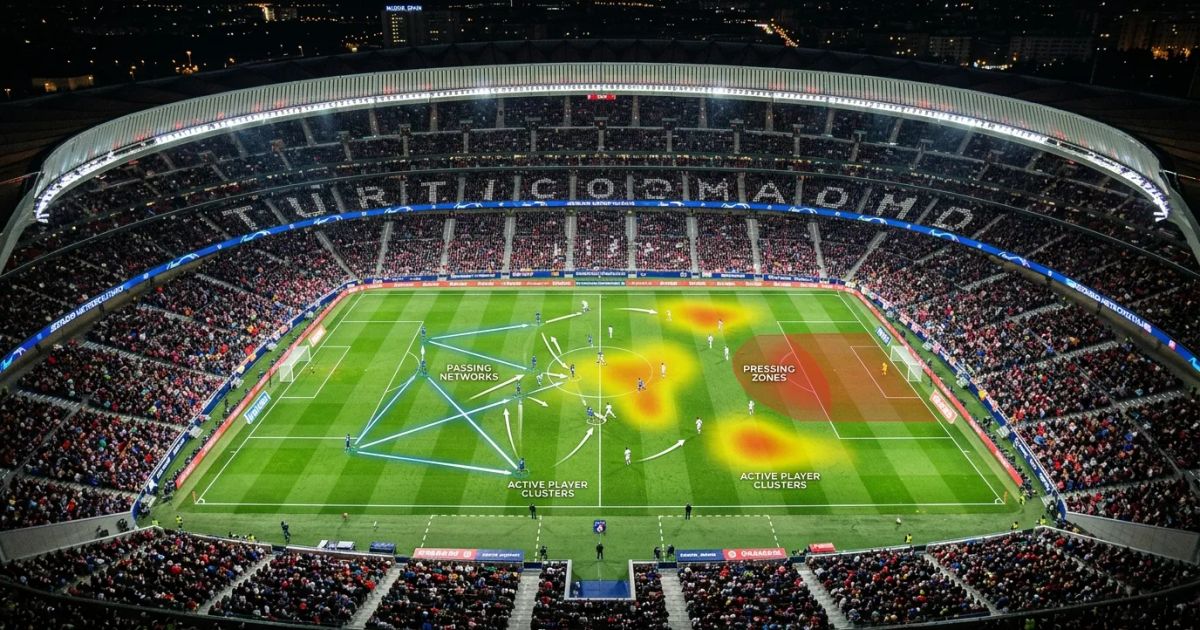
As the dust settles on the most expansive and record-breaking FIFA World Cup in history, technical analysts and tactical strategists worldwide are dissecting the groundbreaking structural innovations that defined the tournament. From sweeping changes in goalkeeper involvement to high-tempo counter-pressing, modern international football has entered a sophisticated new era.
The completion of the expanded 48-team, 104-match FIFA World Cup tournament has provided the global football community with an unprecedented repository of tactical data. Technical study groups and international sports performance laboratories have released comprehensive post-tournament evaluations, confirming that international football has undergone its most significant tactical evolution in over two decades. At the heart of this tactical revolution was the complete reimagining of the goalkeeper's role during possession. No longer confined to traditional shot-stopping duties or rudimentary goal kicks, goalkeepers across top-performing national teams operated effectively as eleventh outfield players. By stepping up between the central defenders during build-up phases, goalkeepers consistently created numerical overloads, drawing opposing pressing lines forward and opening up passing channels into mid-field pockets. Teams that successfully implemented this approach demonstrated a far higher success rate in penetrating low-block defensive structures without relying solely on cross-heavy wing play. Simultaneously, the tournament highlighted the global democratization of high-intensity counter-pressing. Tactical reports from technical experts emphasize that aggressive ball recovery within five seconds of turnover was no longer restricted to traditional football powerhouses. Developing footballing nations demonstrated exceptional physical conditioning and spatial discipline,…