UAE
NYU Abu Dhabi Identifies Wild Apple Genes to Boost Crop Sustainability
By 19Network Editorial Team · Apr 21, 2026 · 2 min read
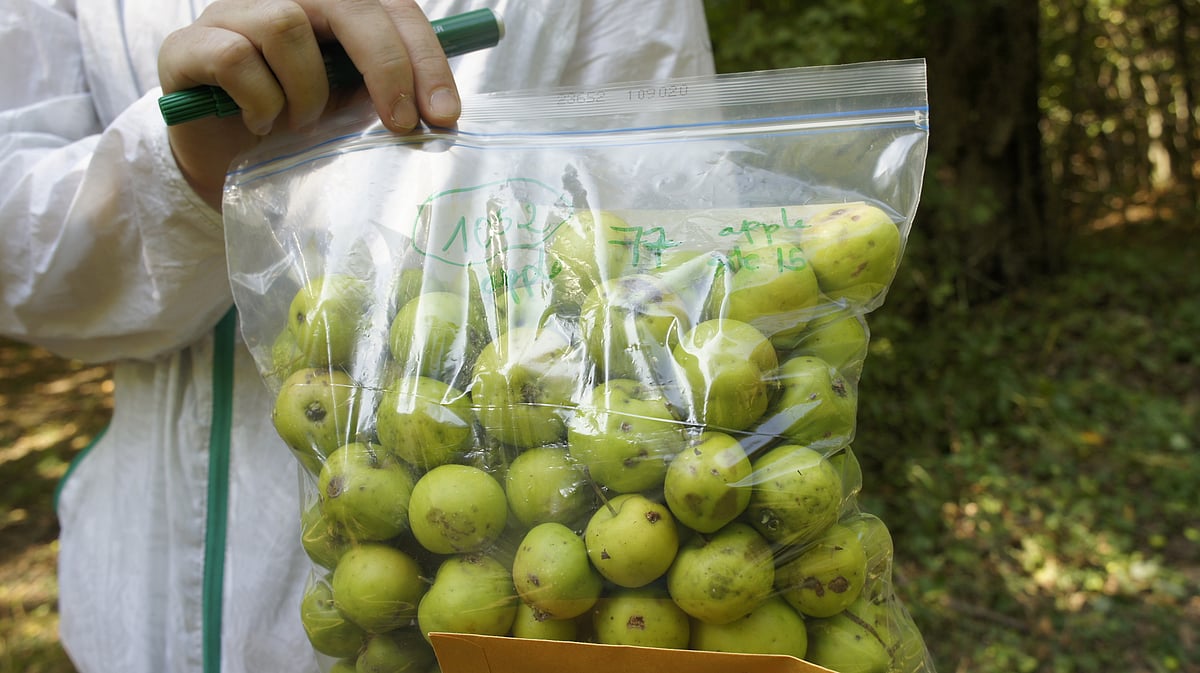
Researchers at NYU Abu Dhabi identify wild apple genes that could protect global food supplies from drought and salinity.
Researchers at NYU Abu Dhabi (NYUAD) have identified the genetic mechanisms used by wild apple trees to adapt to extreme environments, providing a blueprint for developing climate-resilient agricultural crops. The study focuses on the Malus sieversii , a wild ancestor of the modern domestic apple found in the harsh terrains of Central Asia. Genetic adaptation to desert climates The research team, led by NYUAD Associate Professor of Biology Kourosh Salehi-Ashtiani, sequenced the genomes of wild apple populations to understand how they survive in high-salinity and drought-prone regions. By comparing these wild strains with domestic varieties, scientists identified specific stress-responsive genes that have been lost through centuries of selective breeding for fruit size and sweetness. The study found that Malus sieversii maintains a higher degree of genetic diversity than commercial apples, allowing it to withstand temperature fluctuations and poor soil quality. This genetic data serves as a resource for CRISPR gene-editing and traditional cross-breeding programs aimed at making modern orchards more sustainable. Impact on UAE food security The findings carry significant weight for the UAE’s National Food Security Strategy 2051, which prioritizes the cultivation of crops that require minimal water and chemical inputs. By integrating the resilient traits of wild ancestors into modern crops, farmers may soon be able to reduce the environmental footprint of fruit production in…
Source: Gulf News