World
Iran Power Shift: IRGC Consolidates Control as Clerical Authority Wanes
By 19Network Editorial Team · Apr 23, 2026 · 2 min read
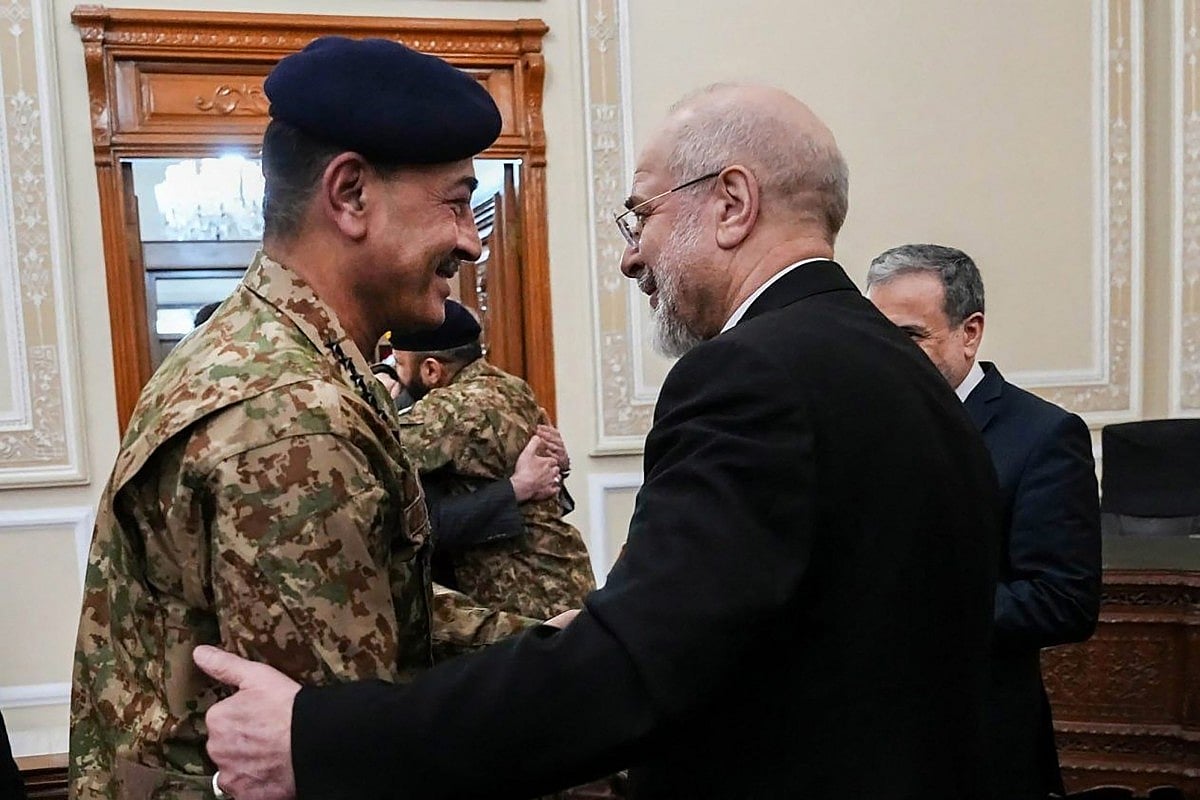
Shift in Iranian power dynamics sees the Islamic Revolutionary Guard Corps eclipsing clerical authority in state governance.
The internal power dynamics of the Islamic Republic of Iran have reached a decisive turning point 45 years after the 1979 revolution. The traditional authority held by the Shiite clergy is rapidly diminishing as the Islamic Revolutionary Guard Corps (IRGC) consolidates direct control over the state’s economic, political, and security apparatus. This structural shift moves the nation away from a consensus-based theocracy toward a rigid military autocracy. The Decline of Clerical Influence For decades, Iran’s governance relied on a delicate balance between elected officials and appointed clerical bodies. However, recent election cycles and legislative changes show a marked transition. Military figures now occupy key civilian roles, including the presidency of the parliament and ministerial positions once reserved for technocrats or religious loyalists. The vetting process for the Assembly of Experts—the body responsible for choosing the next Supreme Leader—is increasingly influenced by security intelligence rather than theological seniority. IRGC Economic and Social Dominance The IRGC now controls approximately 30 to 50 percent of the Iranian economy through a network of front companies, engineering firms like Khatam al-Anbiya, and telecommunications interests. This financial independence allows the military to bypass parliamentary oversight and directly fund its regional operations and domestic surveillance programs. As the clergy’s social legitimacy wanes due to economic…
Source: Gulf News