Finance
Iran and Oman approach Hormuz deal as oil stays near $80 per barrel
By 19Network Editorial Team · Aug 6, 2026 · 2 min read
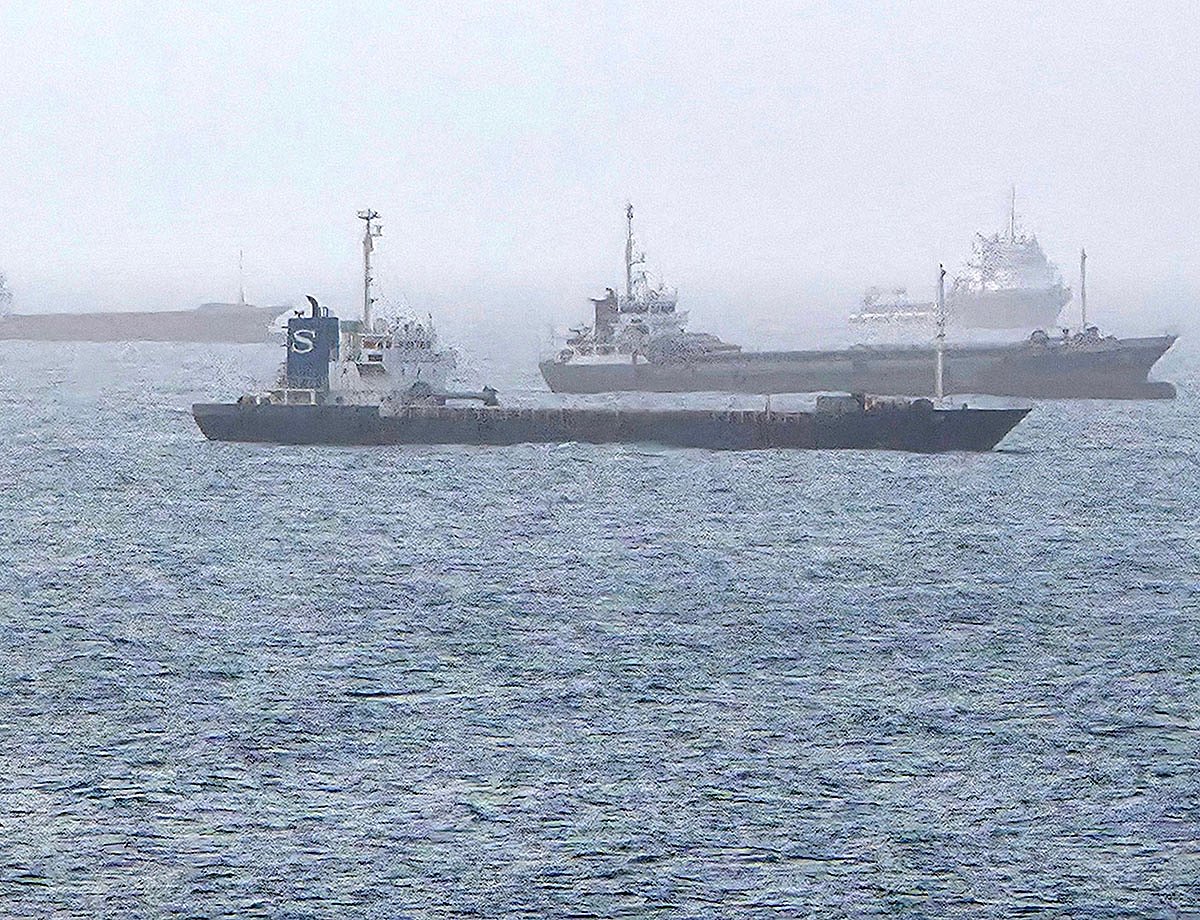
Oil prices stabilize as Iran and Oman near a Hormuz transit agreement despite Houthi strikes on a Saudi tanker.
Oil prices stabilized near $80 per barrel on Thursday, 6 August, as Iran and Oman approached a final agreement regarding the Strait of Hormuz, even as regional maritime tensions escalated. The market reacted to reports of a Houthi strike on a Saudi oil tanker and the large-scale diversion of 48 commercial vessels by U.S. maritime authorities to avoid high-risk corridors. Diplomatic efforts and maritime strikes Tehran and Muscat are in the final stages of a deal aimed at managing transit through the Strait of Hormuz, a critical chokepoint for global energy supplies. This diplomatic movement comes as the Red Sea remains volatile; Houthi forces recently targeted a Saudi-flagged tanker, renewing concerns over the security of crude shipments from the world's largest exporter. In response to the persistent threat, 48 ships under U.S. direction have been rerouted around the Cape of Good Hope, a move that increases transit times and shipping costs. Market response and shipping data Global benchmark Brent crude fluctuated narrowly around the $80 mark as traders weighed the potential for supply disruptions against the Iran-Oman diplomatic progress. Shipping data indicates that the redirection of the 48 vessels primarily affects tankers and container ships that would otherwise traverse the Bab el-Mandeb strait. The diversion adds approximately 10 to 14 days to voyages between Asia and Northern Europe, putting upward pressure on freight rates despite the relative stability in raw crude…