World
International powers advance new Hormuz security deal without U.S. pressure tactics
By 19Network Editorial Team · Aug 6, 2026 · 2 min read
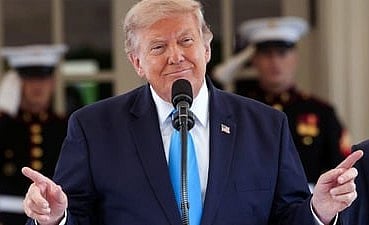
European and regional powers distance themselves from previous U.S. strategies to secure the Strait of Hormuz through a new de-escalation framework.
International maritime powers are formalising a security framework for the Strait of Hormuz, diverging from the "Maximum Pressure" campaign previously spearheaded by former U.S. President Donald Trump. European and regional actors are instead pursuing a de-escalation model focused on neutral monitoring and diplomatic safeguards rather than military confrontation. European-led monitoring initiative The European-led Maritime Awareness in the Strait of Hormuz (EMASoH) mission, headquartered at the French naval base in Abu Dhabi, serves as the primary alternative to the U.S.-led International Maritime Security Construct (IMSC). While both aim to protect the transit of 21 million barrels of oil per day, the European approach explicitly distances itself from unilateral sanctions and provocative naval manoeuvres. This shift is occurring now as global energy markets demand stability following several high-profile tanker seizures and drone incidents in the Gulf. Unlike the previous administration’s strategy, which sought to isolate Tehran through economic strangulation, the current framework prioritises the United Nations Convention on the Law of the Sea (UNCLOS) to ensure freedom of navigation for all commercial vessels. Implications for regional stability For the UAE and its neighbours, this multilateral approach offers a buffer against binary geopolitical choices. By supporting a mission that includes France, Italy, Greece, and the Netherlands, regional states can maintain trade…