Finance
IEA Warns Middle East Conflict Could Redraw Global Energy Routes
By 19Network Editorial Team · Apr 21, 2026 · 2 min read
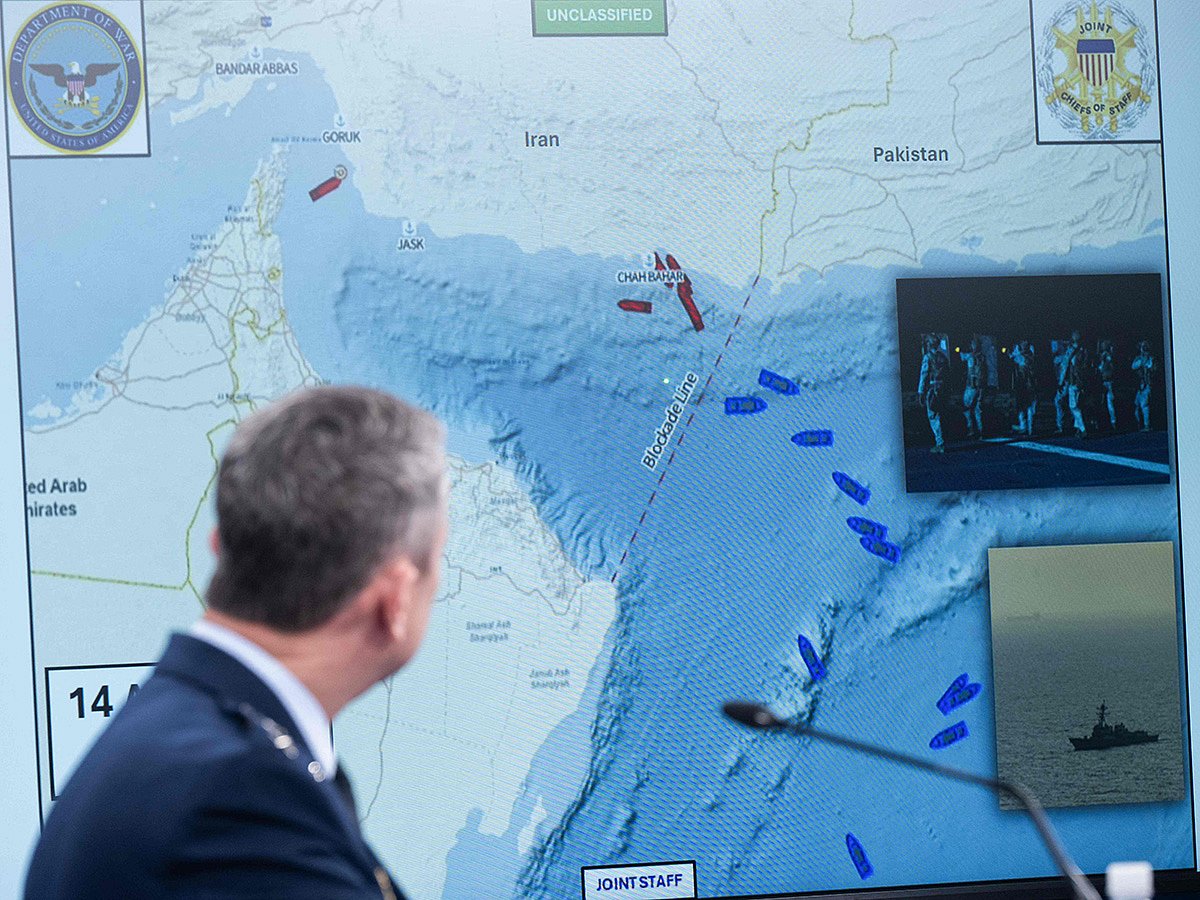
The International Energy Agency warns that conflict in the Middle East could force a permanent shift in international oil and gas transit routes.
Global energy markets face a fundamental reconfiguration of supply routes if conflict in the Middle East disrupts the Strait of Hormuz, according to the International Energy Agency (IEA). The agency warns that the escalation of regional tensions poses a direct threat to the flow of oil and gas, potentially forcing a permanent shift in how energy is traded internationally. Threat to Global Oil Flows The Strait of Hormuz remains the world’s most critical maritime chokepoint, with approximately 20% of the world's total oil consumption passing through the waterway daily. Data suggests that any prolonged closure or security risk in the Persian Gulf would necessitate the immediate activation of emergency stockpiles and alternative pipeline routes, many of which lack the capacity to fully replace the lost sea volumes. The IEA’s assessment indicates that while global supply currently remains sufficient, the risk premium on crude prices reflects growing anxiety over physical supply disruptions. Total volumes transiting the strait include crude oil, condensate, and petroleum products destined for major Asian economies, including China, India, and Japan. Structural Shifts in Energy Security Beyond immediate price volatility, the IEA suggests that a major conflict could accelerate the diversification of energy sources among importing nations. Short-term mitigation strategies would likely prioritize the East-West Pipeline in Saudi Arabia and the Abu Dhabi Crude Oil Pipeline (ADCOP) in…
Source: Gulf News