Finance
Hormuz Crisis Threatens GCC Market Stability Through Q2 2026
By 19Network Editorial Team · Apr 23, 2026 · 2 min read
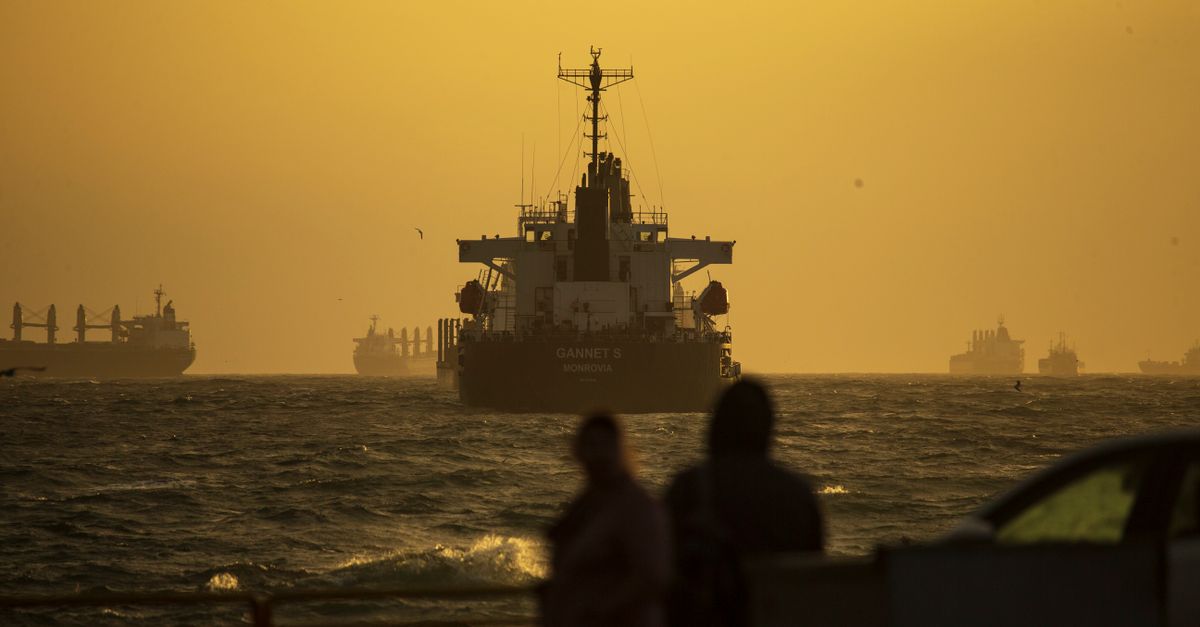
Tensions in the Strait of Hormuz are expected to drive up maritime insurance and energy volatility for GCC economies through Q2 2026.
Rising geopolitical tensions in the Strait of Hormuz are projected to impact Gulf Cooperation Council (GCC) financial markets and trade flows through the second quarter of 2026. As a primary artery for global energy transit, any disruption in the waterway directly correlates with increased maritime insurance premiums and volatile energy pricing across the region. Energy Export Vulnerabilities The Strait of Hormuz facilitates the passage of approximately 21 million barrels of oil per day, representing 21% of global petroleum liquids consumption. For GCC economies, particularly Saudi Arabia, the UAE, and Kuwait, prolonged instability threatens the reliability of export schedules. Analysts indicate that heightened security risks are forcing logistics providers to recalculate freight costs, with Q2 2026 expected to see a sustained rise in "war risk" surcharges for tankers operating in the Persian Gulf. Beyond oil, the transit of Liquefied Natural Gas (LNG) remains a critical concern. Qatar, one of the world’s largest LNG exporters, relies almost exclusively on the strait to reach Asian and European markets. Market projections suggest that if regional tensions do not abate, European gas benchmarks could see double-digit percentage increases as buyers seek alternative, more costly supplies from the Atlantic basin. Market Response and Diversification GCC stock exchanges, including the Abu Dhabi Securities Exchange (ADX) and the Dubai Financial Market (DFM), are monitoring the…