World
Gulf states face persistent economic risks from US-Iran maritime tensions
By 19Network Editorial Team · Jul 21, 2026 · 2 min read
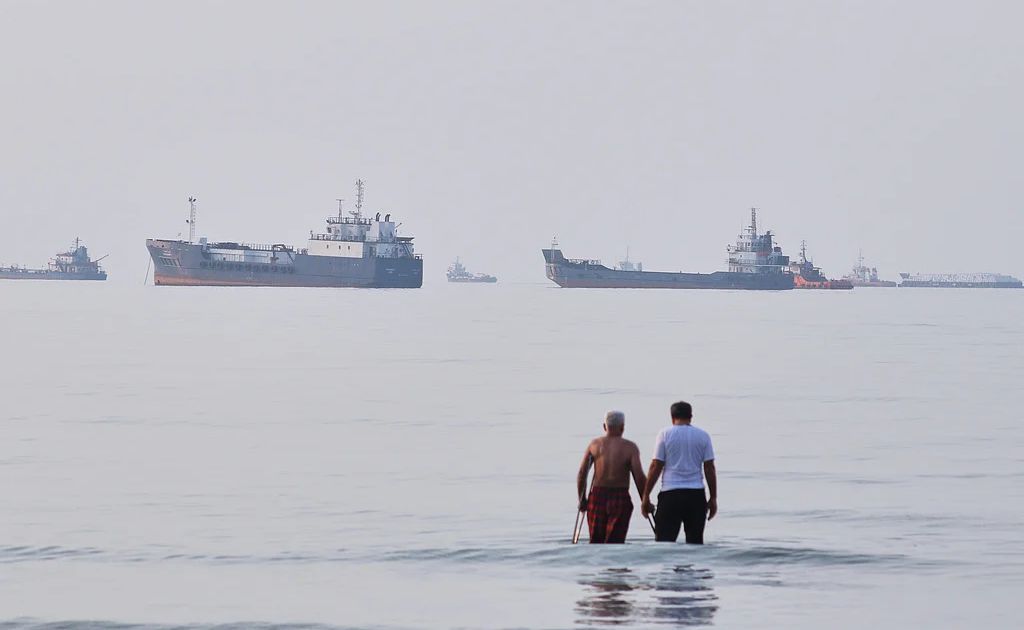
Regional energy infrastructure remains vulnerable to maritime disruptions despite ongoing diplomatic efforts to de-escalate tensions.
Regional tensions between the United States and Iran continue to pose direct economic and security risks to Gulf Cooperation Council (GCC) states. Despite recent diplomatic efforts to de-escalate, the proximity of critical energy infrastructure to the Strait of Hormuz leaves regional economies exposed to any disruption in maritime trade or military miscalculation. Energy security and maritime risks The Strait of Hormuz remains the primary vulnerability for Gulf nations, with approximately 20% of the world's total oil consumption passing through the waterway daily. Data from the Energy Information Administration (EIA) indicates that any closure or significant disruption would immediately impact the fiscal revenues of major producers including Saudi Arabia, the UAE, and Kuwait. While these nations have invested in alternative pipelines—such as the UAE’s Habshan-Fujairah line—the sheer volume of regional exports means full bypass is currently impossible. Regional security frameworks remain heavily dependent on the U.S. military presence, with thousands of American troops stationed across bases in Qatar, Bahrain, and the UAE. This presence acts as a deterrent but also ensures that GCC states are geographically central to any potential armed conflict. Recent drone and missile technology proliferation has further complicated this balance, as low-cost aerial threats can target desalination plants and refineries with minimal warning. Diplomatic shifts and economic diversification…