Finance
Global shipping traffic slows at Hormuz as Bab al-Mandab volumes stabilize
By 19Network Editorial Team · Jul 28, 2026 · 2 min read
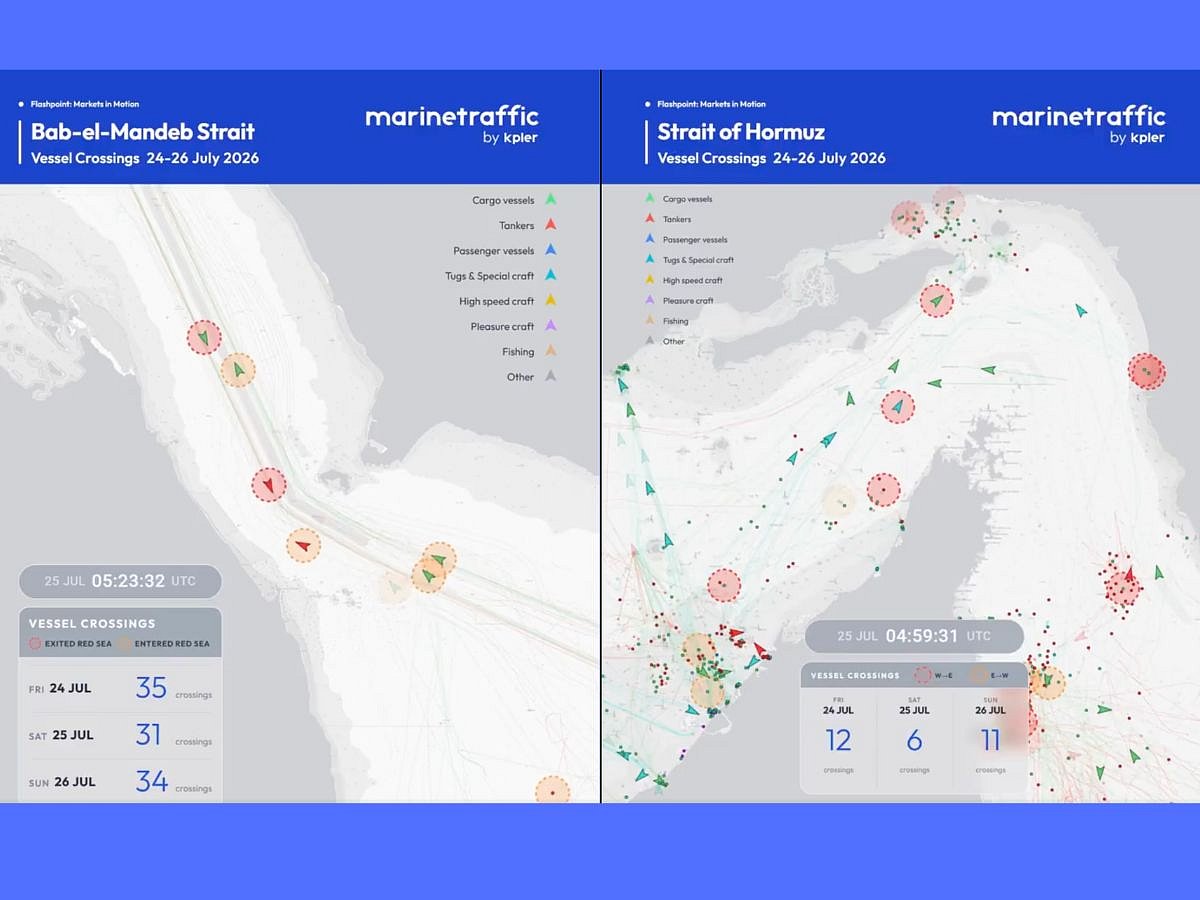
Maritime data reveals a decline in Strait of Hormuz transit volumes while Red Sea traffic through Bab al-Mandab stabilizes despite regional risks.
Global shipping patterns are shifting significantly as traffic through the Strait of Hormuz declined over the last quarter, while transit volumes through the Bab al-Mandab strait have maintained an unexpected stability despite regional security risks. The divergence in maritime activity underscores a changing risk appetite among global carriers and a realignment of energy and cargo routes. Hormuz transit volumes decline Data from maritime tracking services indicates a measured slowdown in net tonnage passing through the Strait of Hormuz. On Tuesday, 28 July, industry reports showed that oil tanker movements, which typically account for a third of global seaborne petroleum, have decreased as producers adjust to shifting demand in Asian markets and inventory management strategies. The slowdown is particularly noted in crude carriers exiting the Arabian Gulf, impacting logistical schedules for major refineries. Conversely, the Bab al-Mandab strait — the critical gateway connecting the Red Sea to the Gulf of Aden — has held steady. Despite ongoing geopolitical tensions that forced several major shipping lines to reroute around the Cape of Good Hope earlier this year, current data shows that container and bulk carrier volumes have plateaued rather than continuing to fall. This stabilization suggests that a cohort of regional and specialized operators is now priced into the current security environment, maintaining flow for essential trade between Europe and Asia. Commercial…