Finance
Market Mechanics: How Global Energy Benchmark Shifts Are Driving Regional Fuel Price Adjustments for August
A convergence of seasonal refining bottlenecks, geopolitical risk premiums, and shifts in international crude futures leads regional pricing committees to recalibrate retail fuel rates.
By 19Network Editorial Team · Jul 31, 2026 · 6 min read
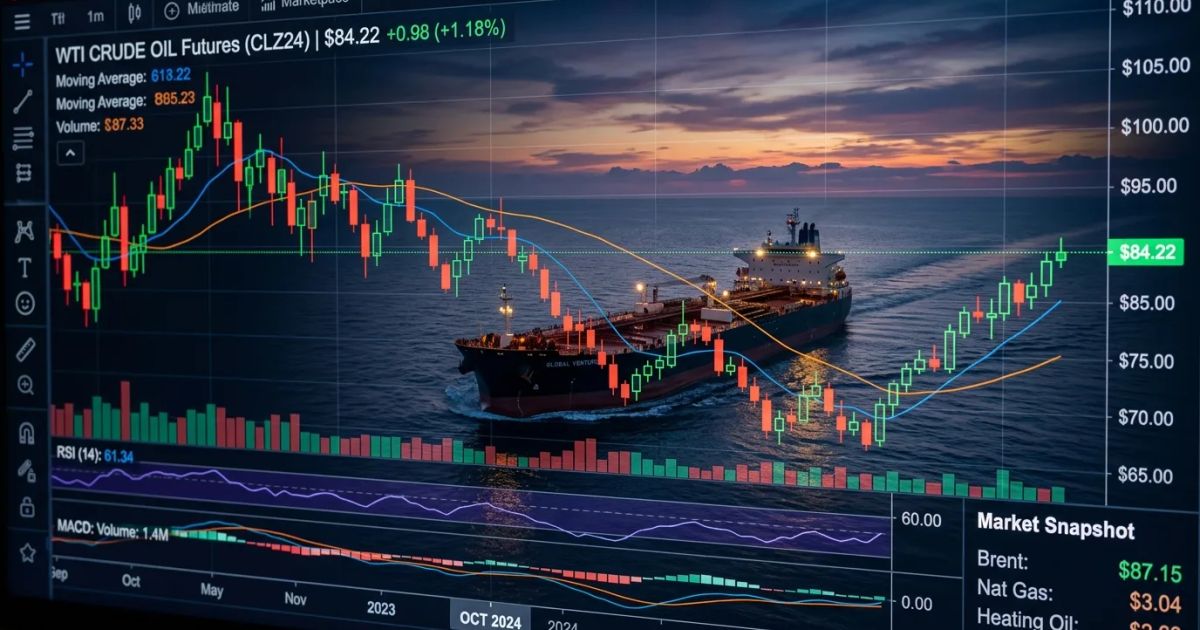
As global energy markets navigate a complex mix of supply recalibrations and shifting futures contracts, regional fuel pricing bodies across international markets have introduced updated retail price structures for August. The changes highlight the direct link between global crude benchmarks and local economic pricing.
Global energy markets closed out the final trading week of July with notable volatility across key crude oil and refined petroleum futures. This shifting international backdrop has directly influenced regional pricing authorities—including the UAE Fuel Price Committee—to issue recalibrated retail petrol and diesel rates for August 2026. Throughout July, global crude benchmarks such as Brent and West Texas Intermediate (WTI) experienced upward pricing pressure driven by a combination of global factors. Robust demand during the peak Northern Hemisphere summer travel season tightened global gasoline inventories, while ongoing geopolitical risk assessments across key maritime shipping corridors added a persistent risk premium to forward energy contracts. Additionally, refining margins—known in commodities trading as "crack spreads"—widened as regional refineries adjusted output to balance diesel supply with surging aviation and passenger fuel requirements. The immediate result of these international market forces is visible at local retail pumps. In economies that have implemented market-linked energy pricing, monthly fuel adjustments serve as an essential economic relief valve. Rather than allowing artificial price distortion or sudden state budget deficits through heavy subsidies, market-aligned pricing mechanisms absorb incremental global changes gradually. Financial analysts note that while minor increases in pump prices naturally attract attention from consumers and fleet…