Finance
GCC States Expand Oil Export Bypass Routes Beyond Strait of Hormuz
By 19Network Editorial Team · Apr 21, 2026 · 2 min read
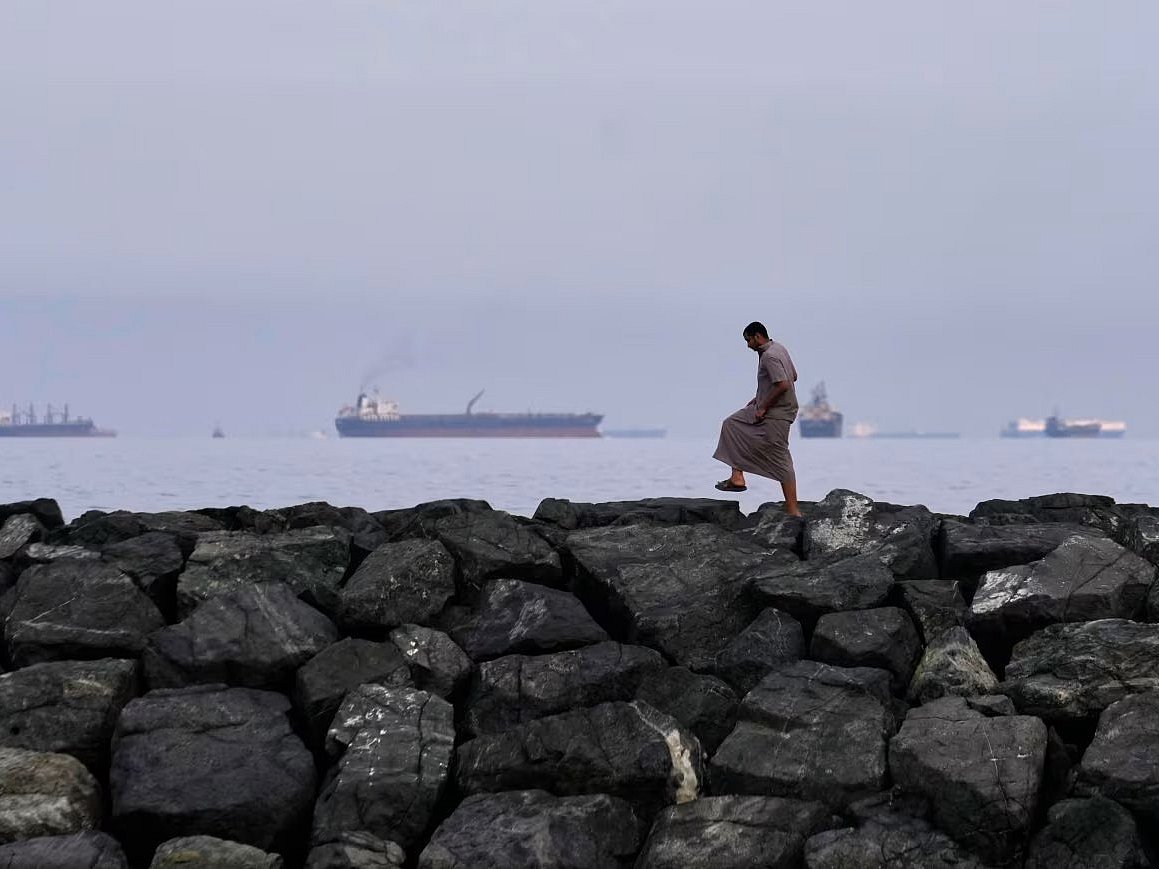
Gulf oil producers leverage strategic pipelines in Fujairah and the Red Sea to secure crude exports amid rising Strait of Hormuz tensions.
Gulf nations are evaluating alternative maritime and overland export routes as regional geopolitical tensions threaten the stability of the Strait of Hormuz. The 39-kilometre wide waterway remains the world’s most critical oil chokepoint, with approximately 21 million barrels of crude—roughly 20% of global daily consumption—passing through it every day. Existing Pipeline Infrastructure The UAE and Saudi Arabia operate the most viable bypass systems currently in service. Abu Dhabi utilizes the 370-kilometre Habshan-Fujairah pipeline, which carries crude from the Western Region to the Port of Fujairah on the Gulf of Oman. This route allows the UAE to export up to 1.5 million barrels per day (bpd) entirely bypassing the Strait. Similarly, Saudi Arabia relies on the 1,200-kilometre East-West Pipeline (Petroline), stretching from the Eastern Province to the Red Sea port of Yanbu. While its capacity stands at 5 million bpd, current throughput is often lower, providing a strategic buffer for shifts in export logistics. Operational Status of Regional Links While pipelines offer a solution for the UAE and Saudi Arabia, other regional producers face logistical hurdles. Iraq has previously utilized the Iraq-Turkey pipeline, terminating at the Mediterranean port of Ceyhan, though this route has faced frequent technical and political disruptions. Kuwait and Qatar remain heavily dependent on the Strait for both crude and Liquefied Natural Gas (LNG) shipments, as neither nation currently…
Source: Gulf News