Finance
GCC producers accelerate pipeline projects to bypass Strait of Hormuz risks
By 19Network Editorial Team · Aug 1, 2026 · 2 min read
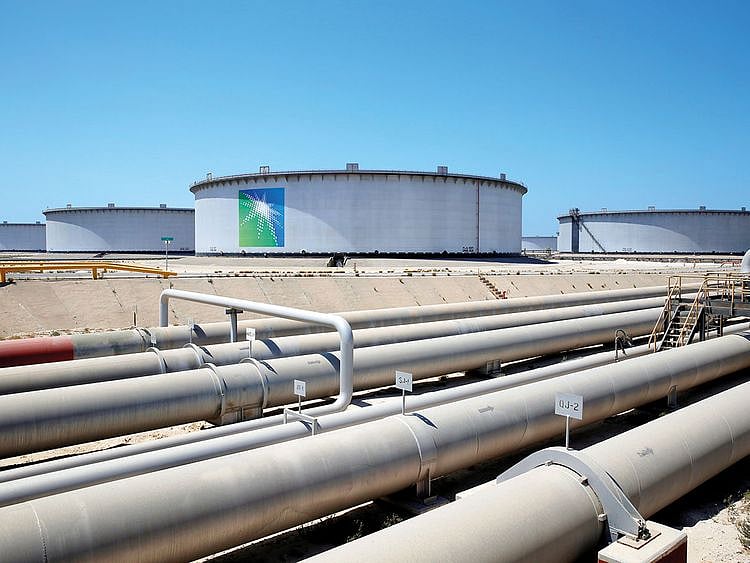
Middle East oil producers expand pipeline networks as 20.5 million barrels per day face potential transit risks through the Strait of Hormuz.
Regional energy producers are accelerating the construction and expansion of crude pipelines to bypass the Strait of Hormuz, as data shows approximately 20.5 million barrels per day (bpd) of oil now pass through the narrow waterway. This volume represents roughly 20% of global liquid petroleum consumption, making the passage a critical chokepoint for international energy security. Expanding Pipeline Capacity Saudi Arabia and the United Arab Emirates have already established operational land-based alternatives. The East-West Pipeline in Saudi Arabia, spanning 1,200 kilometres, currently possesses a nameplate capacity of 5 million bpd, though official figures suggest it often operates below this limit. The UAE utilizes the 370-kilometre Abu Dhabi Crude Oil Pipeline (ADCOP), which links the Habshan oilfields to the Fujairah export terminal on the Gulf of Oman, capable of transporting 1.5 million bpd. Collectively, the existing operational bypass capacity in the region stands at approximately 6.5 million bpd. This leaves a deficit of 14 million bpd that remains entirely dependent on the strait. Iraq is currently exploring the rehabilitation of the Kirkuk-Ceyhan pipeline to Turkey and the construction of new routes through Jordan to mitigate its total reliance on the Basra terminals. Strategic Vulnerability and Costs The urgency for these alternatives stems from the geographic reality that the strait is only 33 kilometres wide at its narrowest point. Any disruption to traffic…