AI & Technology
From Assistant to Operator: The Evolution of AI in the Modern Workplace
By 19Network Editorial Team · Apr 19, 2026 · 2 min read
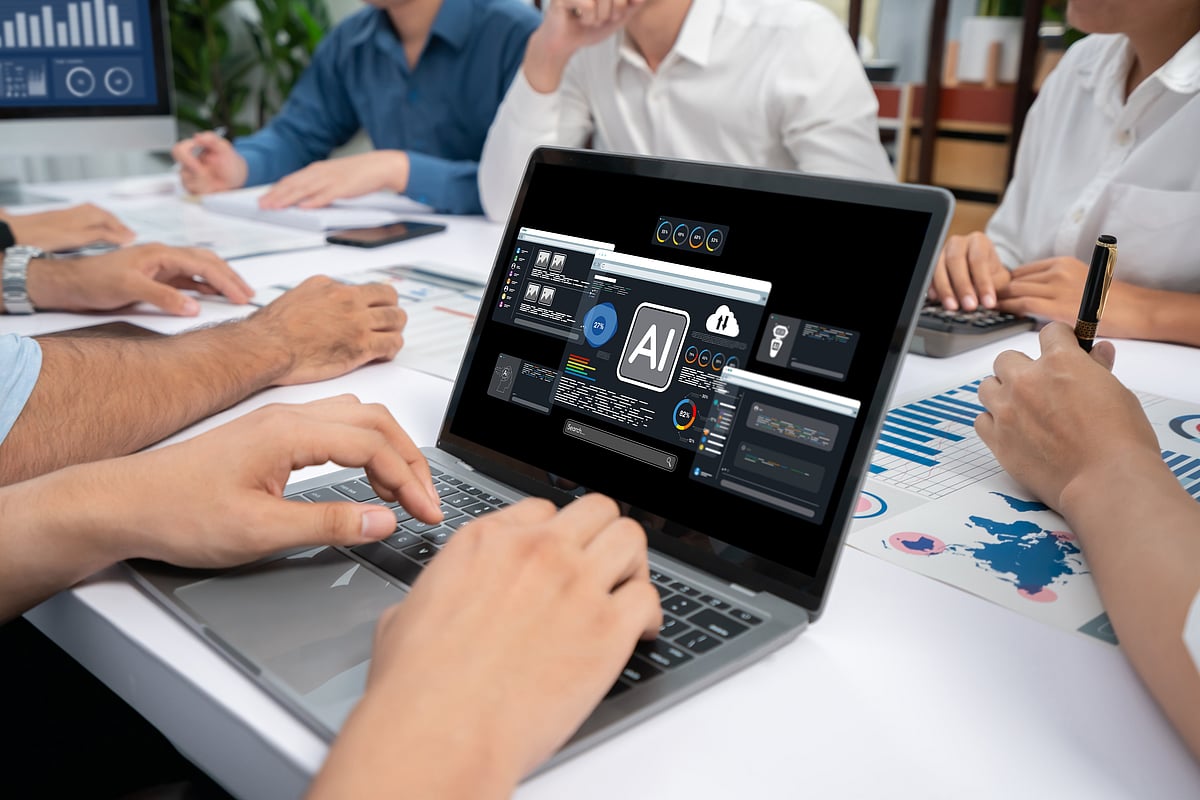
The era of the AI assistant is ending as autonomous 'operators' begin managing complex tasks and workflows independently in the modern workplace.
The role of Artificial Intelligence in the professional world is undergoing a seismic shift, moving rapidly from a passive digital assistant to an active "operator" capable of managing complex workflows without constant human oversight. Beyond the Chatbot For the past several years, AI has primarily functioned in a supportive capacity—summarizing documents, drafting emails, or answering basic queries. However, a new generation of AI "agents" is emerging. These systems are designed not just to suggest actions, but to execute them autonomously across multiple software platforms. The Rise of Autonomous Agents Unlike traditional AI tools that require step-by-step prompting, AI operators can be assigned a high-level goal. Once tasked, they can navigate internal databases, interact with third-party APIs, and coordinate between different departments to complete a project from start to finish. "We are witnessing the transition from AI as a tool we use, to AI as a teammate that performs," industry experts suggest. Implications for the Workforce This evolution signals a significant change in the labor market. While previous iterations of AI raised concerns about basic administrative tasks, the shift toward "operator AI" impacts middle management and specialized technical roles. Organizations are now focusing on "human-in-the-loop" systems, where humans move from being doers to being supervisors of automated processes. Technical and Ethical Challenges As AI takes the wheel, challenges…
Source: Gulf News