UAE
Dubai Economic Resilience Driven by Diversification and Trade Infrastructure
By 19Network Editorial Team · Apr 23, 2026 · 2 min read
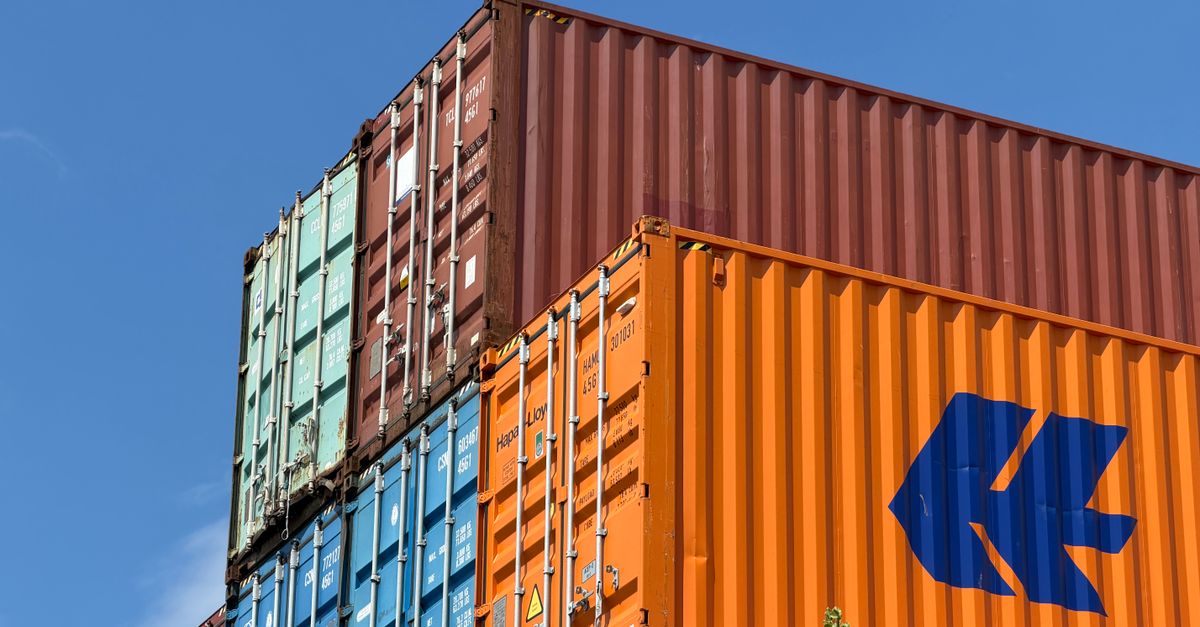
Analysis of Dubai's economic model reveals how diversification and infrastructure investments shield the emirate from global market volatility.
Dubai’s economic resilience stems from a long-term diversification strategy that prioritizes logistics, tourism, and financial services over volatile oil revenues. While global markets face inflationary pressures and shifting geopolitical landscapes, the emirate remains a stable hub for international capital and talent due to its regulatory framework and infrastructure investment. Diversification Beyond Hydrocarbons Unlike regional neighbors reliant on energy exports, Dubai has reduced oil's contribution to its GDP to less than 1%. The economy now relies on the strength of DP World’s logistics network, the expansion of Emirates Airline, and a real estate market that attracted record-breaking foreign direct investment in recent quarters. This structural shift provides a buffer against crude price fluctuations that historically dictated regional growth cycles. Infrastructure and Global Connectivity The emirate’s geographic position between East and West is supported by the Jebel Ali Port and Dubai International Airport (DXB). These assets serve as the backbone for a trade-led economy. Data from Dubai’s Department of Economy and Tourism indicates a sustained rise in international visitors and business registrations, fueled by recent visa reforms including the 10-year Golden Visa program designed to retain skilled professionals. Analysts point to the city's ability to adapt to crisis—ranging from the 2008 financial crash to the 2020 pandemic—as evidence of its "will to abide."…