World
Direct regional conflict escalates as Middle East containment strategies fail
By 19Network Editorial Team · Jul 27, 2026 · 2 min read
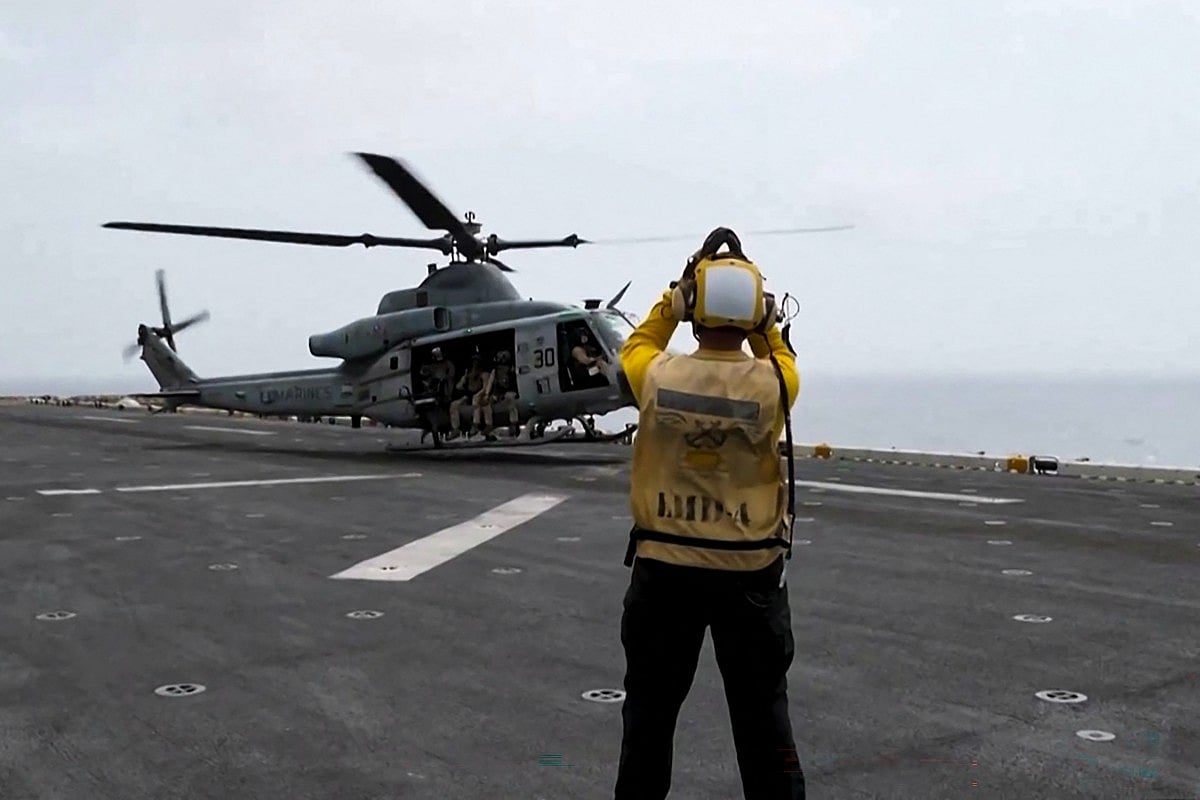
Regional security dynamics shift as the era of contained proxy battles gives way to direct multi-front confrontation.
The paradigm of managed regional proxy battles has shifted toward direct confrontation as the conflict involving Iran and Israel expands beyond traditional borders. Security developments on Monday, 27 July, indicate that tactical restraint, which previously prevented a full-scale regional war, is no longer the operative strategy for multiple state and non-state actors. Direct Confrontation Replaces Proxy Warfare Military activities recorded over the past 48 hours show a departure from the "shadow war" that defined Middle Eastern geopolitics for decades. The transition from contained skirmishes to overt missile exchanges and cross-border operations has heightened risks for global energy supply chains and regional stability. This shift follows weeks of escalating retaliatory strikes that have bypassed established diplomatic de-escalation channels. The current volatility is driven by a breakdown in informal deterrence agreements between Tehran and its adversaries. Unlike previous decades where conflict was siloed within specific territories like Lebanon or Yemen, the current theater encompasses multiple fronts simultaneously, straining the defensive capacities of regional stakeholders and international maritime task forces. Impact on Regional Security and Growth The escalation specifically affects commercial shipping in the Red Sea and Gulf of Oman, where insurance premiums have spiked due to the increased frequency of kinetic engagements. Multinational corporations operating…