Finance
Bab al-Mandab disruption threatens to raise Asian fuel and grocery costs
By 19Network Editorial Team · Aug 4, 2026 · 2 min read
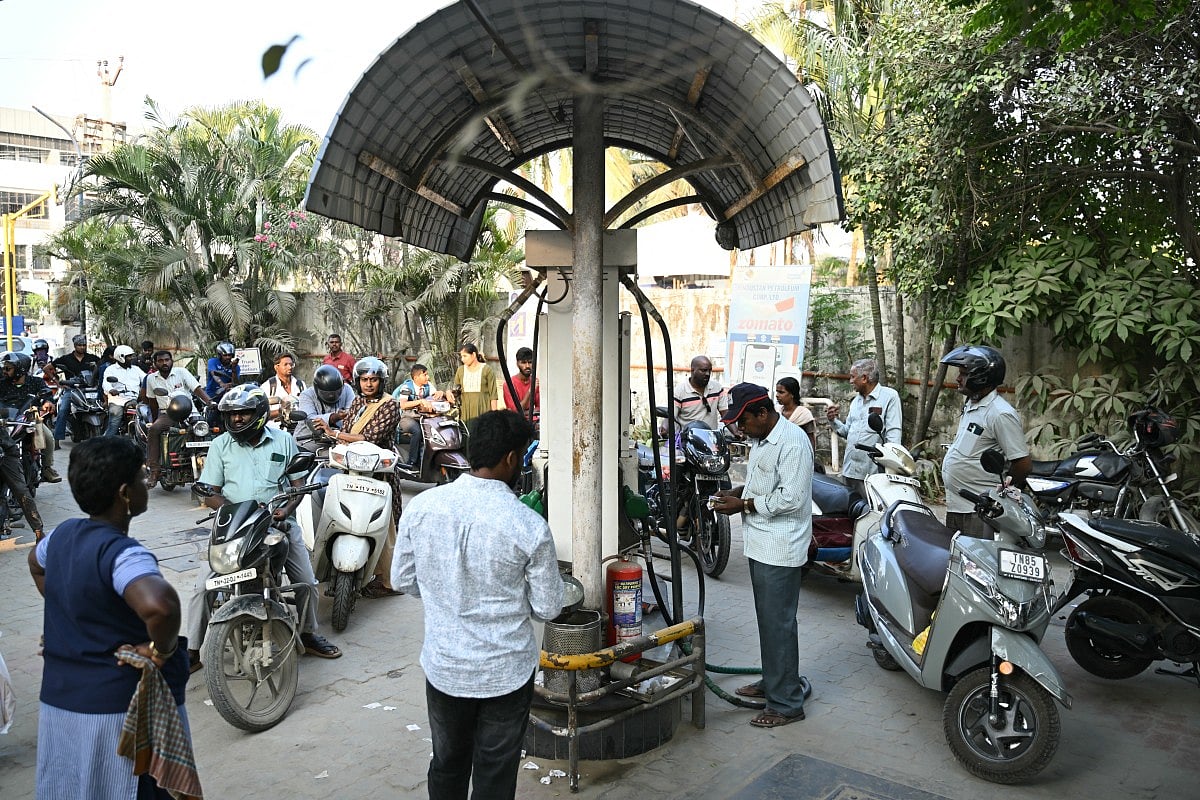
Maritime disruptions in the Red Sea are driving up logistics costs, impacting fuel prices, airfares, and food supplies across Asia.
Global supply chain disruptions at the Bab al-Mandab Strait are projected to increase the cost of fuel, air travel, and essential groceries across Asian markets. Shipping industry data indicates that the rerouting of vessels around the Cape of Good Hope has added approximately 10 to 14 days to transit times, significantly raising operational overheads for carriers. Rising transport and energy costs The Bab al-Mandab Strait serves as a critical gateway for approximately 12% of global seaborne trade and 10% of the world's oil shipments. With major shipping lines diverting traffic to avoid the Red Sea corridor, the increased fuel consumption and insurance premiums are being passed down the supply chain. For UAE and Asian consumers, this translates to higher prices at petrol pumps and increased surcharges on airline tickets as carriers grapple with rising jet fuel expenses. Food security is also under pressure. Perishable goods and agricultural commodities that typically transit through the Suez Canal are facing delays, leading to higher spoilage rates and increased logistical costs. Regional retailers have warned that if the maritime instability persists, the price of imported groceries—ranging from dairy products to grains—will see upward adjustments to compensate for the higher freight rates. Impact on regional trade hubs This development is particularly relevant now following a series of maritime security reports on Tuesday, 4 August, confirming that freight rates for…