World
Asia Reassesses Nuclear Options Amid Escalating Iran Security Crisis
By 19Network Editorial Team · Apr 22, 2026 · 2 min read
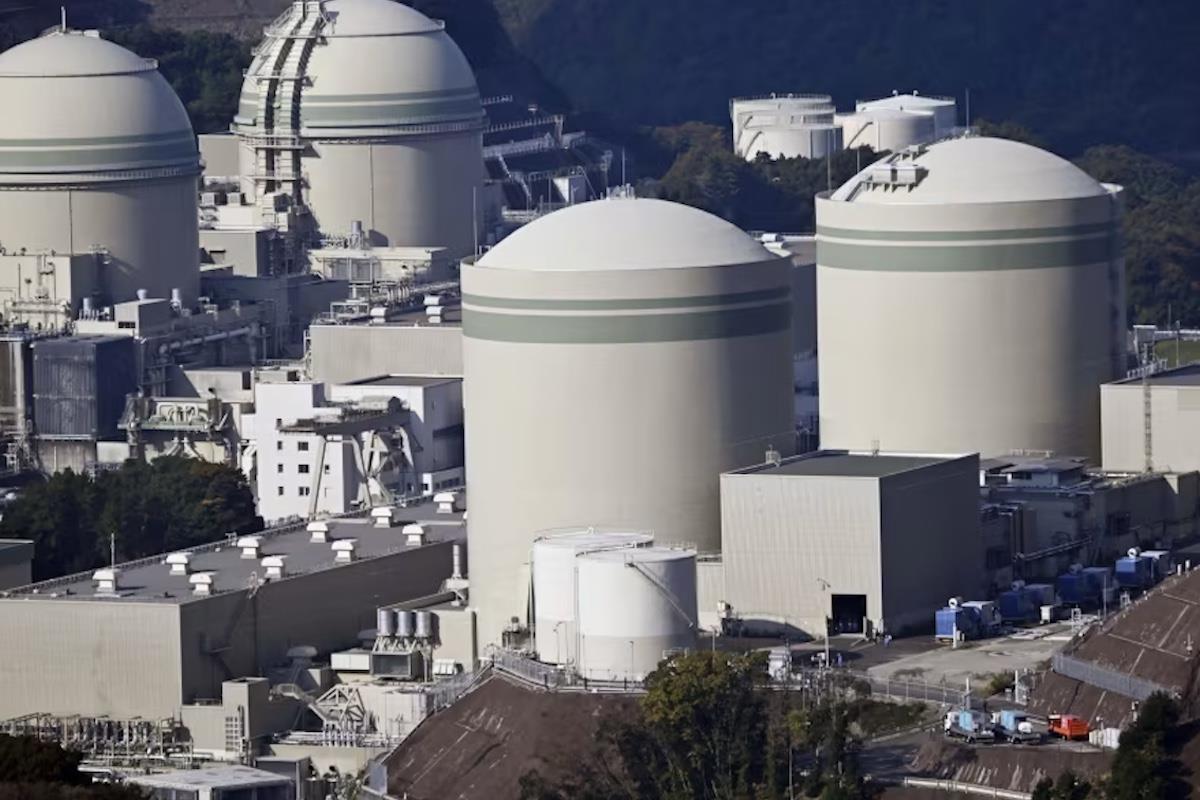
Asian governments are reassessing nuclear nonproliferation strategies as regional tensions involving Iran threaten to disrupt existing security frameworks and energy supply chains.
Current geopolitical tensions involving Iran have forced Asian nations to re-evaluate their long-standing nonproliferation strategies. The potential for open conflict in the Middle East is driving domestic debates in East and Southeast Asia regarding the reliability of existing security umbrellas and the necessity of independent nuclear deterrents. Shift in Regional Security Paradigms Analytical data suggests that the escalation of hostilities has direct implications for the Nuclear Non-Proliferation Treaty (NPT) framework within Asia. Several nations, previously reliant on external military guarantees, are now assessing the technical requirements for rapid nuclear breakout capabilities. This shift follows increased volatility in energy supply chains and the perceived weakening of international enforcement mechanisms meant to curb enrichment programs. The Pacific Forum report indicates that the risk of a regional arms race in Asia is no longer a theoretical concern. Governments in the region are scrutinizing the effectiveness of diplomatic sanctions against Iran as a benchmark for their own security planning. This analysis reveals a growing consensus among regional defense ministries that traditional nonproliferation efforts may be insufficient to maintain the current balance of power. Impact on Global Nonproliferation Policy The immediate consequence of this strategic pivot is the potential erosion of the "extended deterrence" provided by global powers. If regional actors…
Source: MENAFN