AI & Technology
Beyond 110,000 Sensors: What Really Makes a Building Smart?
Dubai’s Al Shera’a shows how far building technology has advanced. But the real measure of a smart building is no longer how many sensors it contains. It is how effectively cooling, water, energy, occupancy and software work together.
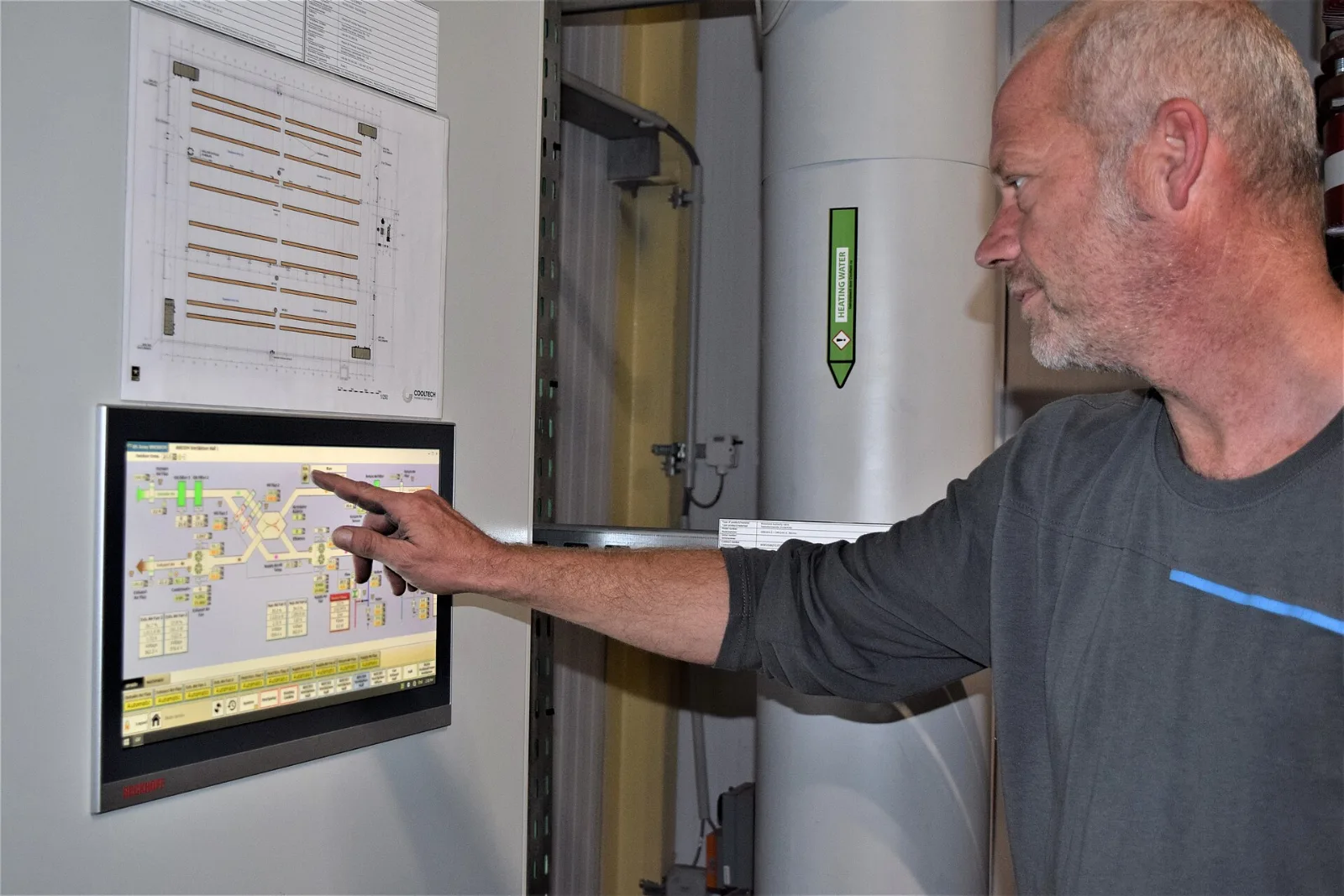
Al Shera’a generates more than 1.9 million automated control commands a day. The bigger question is whether data can turn buildings into better-performing assets.
Smart buildings are increasingly marketed by numbers: how many sensors are installed, how many devices are connected, how many data points are collected and how many systems have been automated. Those figures can be impressive, but they do not automatically make a building intelligent. A property could generate millions of signals every day and still waste energy, water and maintenance resources if the systems collecting that information cannot influence how the building actually operates. The real technological shift is therefore moving away from simply measuring a building and towards allowing different systems to understand what is happening and respond accordingly. Dubai now has one of the region’s clearest examples of how far that idea can go. Dubai Electricity and Water Authority says its new Al Shera’a headquarters is equipped with more than 110,000 smart sensors , supported by more than 1,500 wireless access points and over 3,200 network devices. Together, those systems generate more than 1.9 million automated control commands every day . The numbers are significant. But they also raise a more important question for the wider building industry:…
Source: Dubai Electricity and Water Authority