World
US-Iran Diplomacy Falters as Regional Conflict Disrupts Fragile Truce
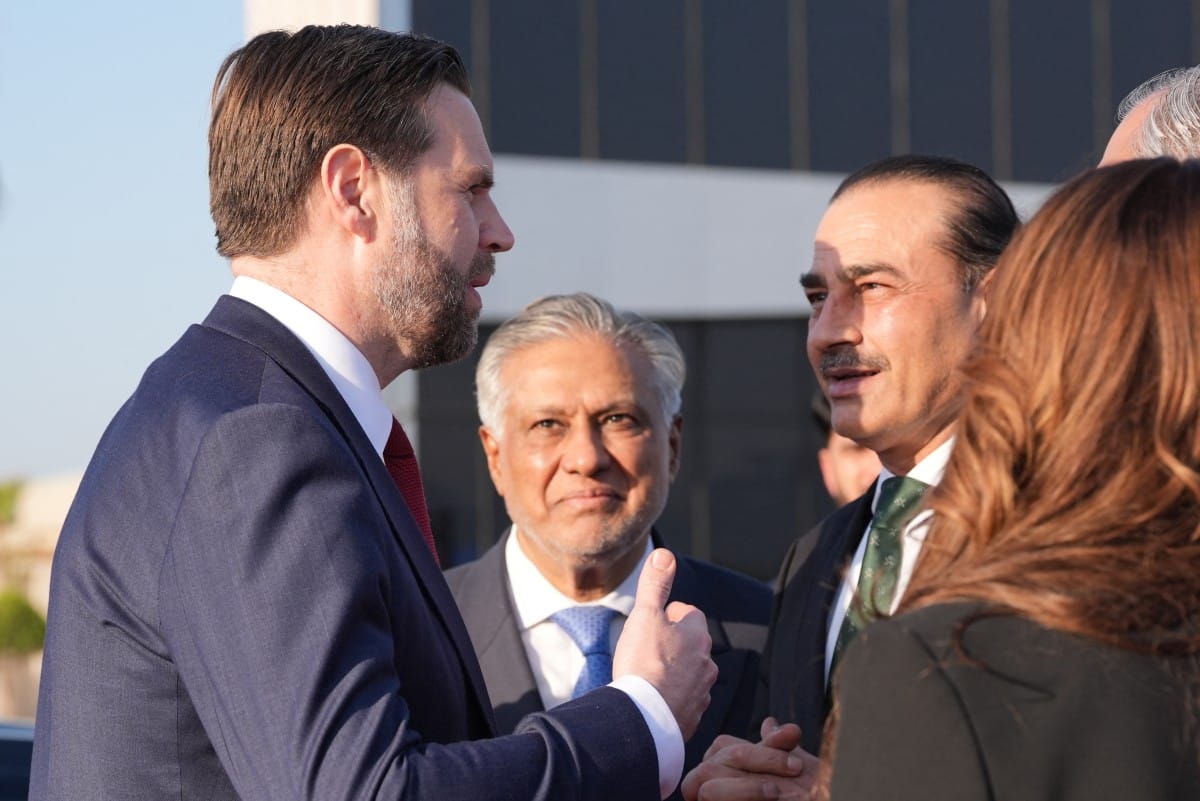
Renewed regional conflict and stalled nuclear talks threaten the fragile de-escalation between Washington and Tehran.
Diplomatic efforts between Washington and Tehran face critical instability as renewed regional conflict and hardening political stances threaten a fragile month-long de-escalation period. Heightened military activity in the Middle East, coupled with accusations of proxy involvement, has stalled progress on nuclear negotiations and prisoner exchange frameworks that were previously gaining traction. Military Escalation and Diplomatic Gridlock The informal "understanding" reached earlier this year, which saw a reduction in attacks on U.S. forces in Iraq and Syria, has largely disintegrated. Pentagon reports indicate a sharp increase in drone and rocket strikes against U.S. assets, prompting retaliatory airstrikes in eastern Syria. This cycle of violence complicates the Biden administration’s attempts to contain the conflict while maintaining sanctions pressure on Tehran’s oil exports, which recently reached a five-year high of 1.5 million barrels per day. Tehran continues to expand its nuclear program, with the International Atomic Energy Agency (IAEA) reporting that Iran’s stockpile of 60% enriched uranium has increased. While the U.S. maintains that a diplomatic path remains open,…
Source: Gulf News