Finance
UAE Oil Tankers Adopt Stealth Tactics to Navigate Strait of Hormuz
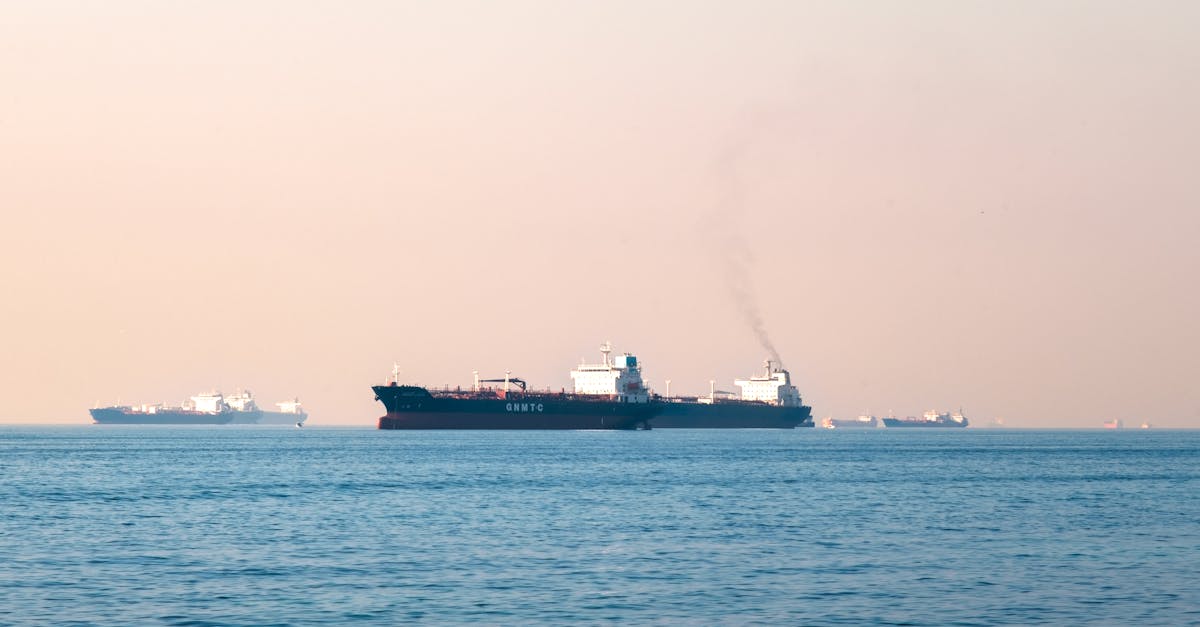
Tankers carrying UAE crude oil are disabling transponders to navigate the Strait of Hormuz amid rising regional maritime security risks.
Commercial tankers transporting Emirati crude oil have increasingly disabled their Automatic Identification Systems (AIS) while navigating the Strait of Hormuz to avoid detection and potential interference. This shift in maritime operations follows a series of regional escalations and threats to shipping lanes in the Gulf, where approximately one-fifth of the world’s petroleum passes daily. Navigation Risks and AIS Disruption Recent maritime tracking data indicates a rise in "dark" shipping maneuvers by vessels carrying UAE oil. By switching off transponders, captains aim to minimize the risk of seizure or harassment by regional actors. While AIS is a mandatory safety requirement under international maritime law for collision avoidance, vessels are permitted to disable it if the crew believes the ship’s safety is at immediate risk. The Strait of Hormuz remains a critical chokepoint between the Persian Gulf and the Gulf of Oman. Constant geopolitical friction has prompted insurance premiums for maritime freight to fluctuate, forcing operators to adopt stealth tactics to maintain the flow of energy exports to Asian and European markets. Impact on Global Energy Security The UAE…