News
UAE Cashless Shift Faces Financial Inclusion and Privacy Risks
By 19Network Editorial Team · Jun 2, 2026 · 2 min read
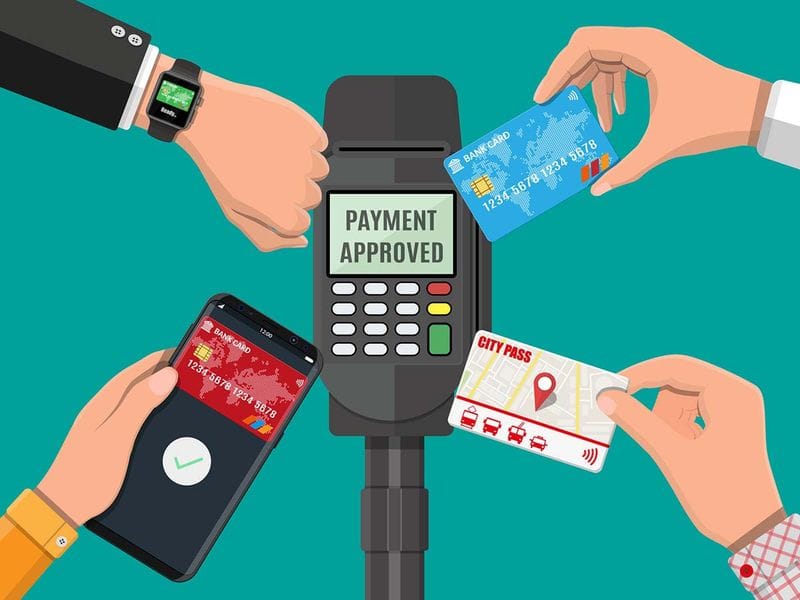
UAE financial analysts warn that the rapid shift toward a cashless society must address digital exclusion and privacy risks to protect vulnerable social groups.
The UAE’s rapid transition toward a cashless economy requires a structured ethical framework to prevent the marginalization of vulnerable social groups. While digital payment adoption accelerated following the 2020 pandemic, financial analysts warn that a total shift away from physical currency risks excluding low-income workers, the elderly, and the unbanked population who rely on cash for daily survival. Addressing the Digital Divide The primary concern involves the 'unbanked' segment—individuals who lack access to traditional banking services or smartphones. In the UAE, where a significant portion of the workforce consists of blue-collar workers, mandatory digital-only payments can create structural barriers. Without physical currency, these residents may struggle to pay for essential services or groceries if they are not integrated into digital ecosystems. Economists argue that a "conscientious" revolution must involve the expansion of low-cost digital accounts and simplified KYC (Know Your Customer) processes to ensure no resident is left behind. Privacy and Infrastructure Risks Privacy remains a critical pillar of the cashless debate. Unlike cash, every digital transaction…