UAE
UAE archaeological finds reveal 60,000 years of human settlement history
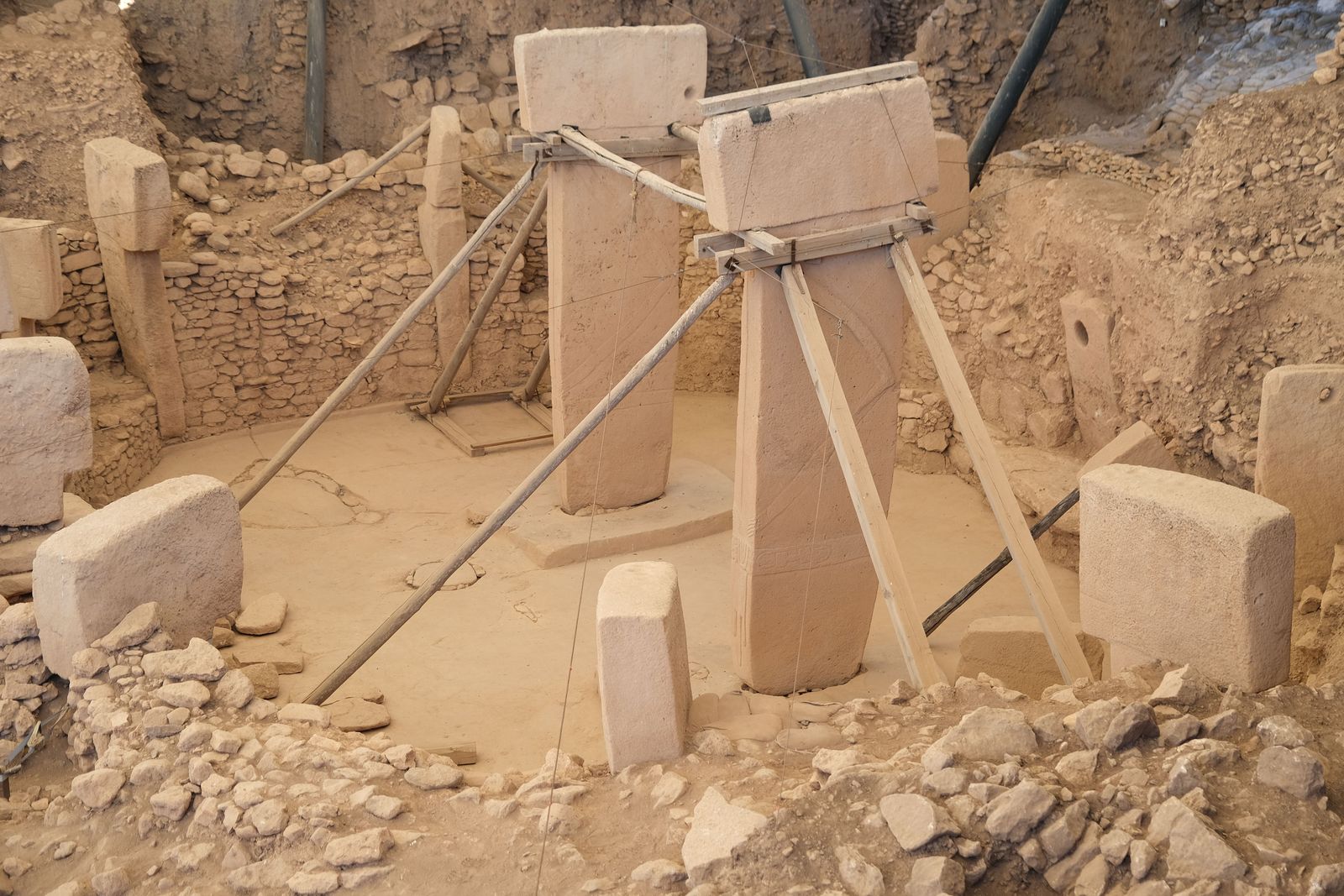
New findings from Jebel Al Buhais and Al Ain provide evidence of human activity in the UAE dating back 60,000 years.
Archaeological discoveries announced across the UAE on Sunday, 23 August 2026, have revealed new evidence of human occupation dating back 60,000 years, according to data from national heritage departments and international research bodies. Jebel Al Buhais reveals prehistoric climate adaptation A study published in Nature Communications in March 2026 detailed findings from the Jebel Al Buhais rock shelter in Sharjah. The research, led by an international team, documented repeated human occupation between 60,000 and 16,000 years ago. The evidence suggests ancient populations maintained a presence in the region despite severe climate fluctuations and prolonged drought periods, challenging previous scientific assumptions regarding prehistoric settlement patterns in the Arabian Peninsula. Major Bronze Age tomb discovered in Al Ain In July 2026, the Department of Culture and Tourism – Abu Dhabi (DCT Abu Dhabi) uncovered a collective tomb at the Qattara Archaeological Cemetery in Al Ain. The structure, measuring 11 metres by 2.5 metres, dates to the Wadi Suq and Late Bronze Age periods (c. 2000–1300 BCE). Excavators found the tomb was constructed using repurposed stones from earlier Umm…
Source: WAM (Emirates News Agency)