World
Trump Faces Stalemate in Iran Conflict as Structural Barriers Block Diplomacy
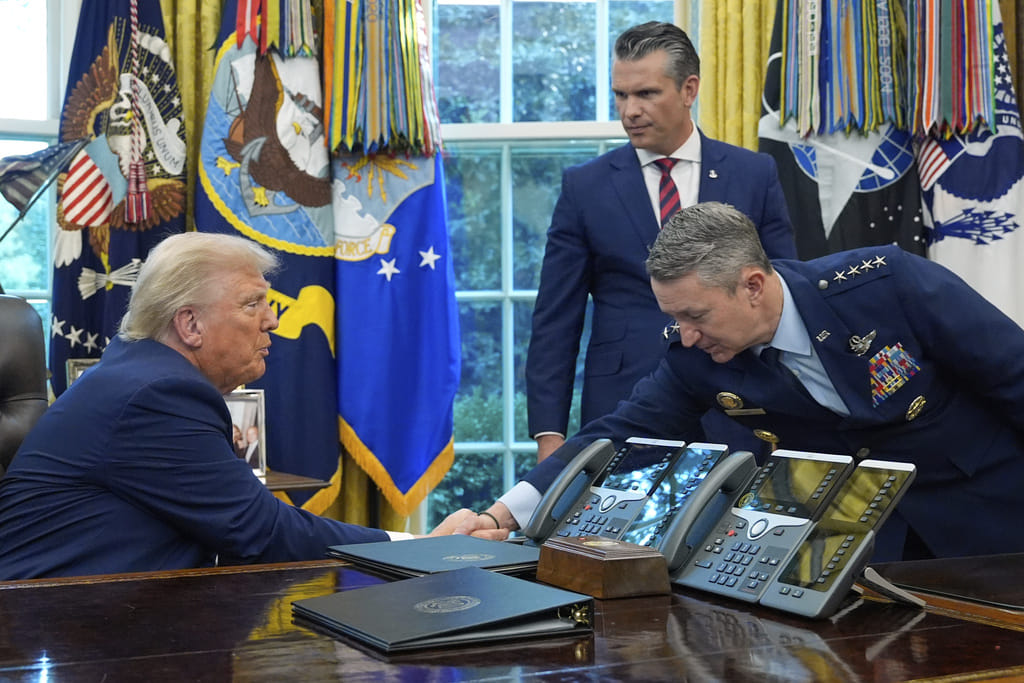
U.S. President-elect faces structural policy barriers and regional shifts that complicate efforts to de-escalate tensions with Tehran.
President-elect Donald Trump faces a complex geopolitical deadlock as he prepares to return to the White House, inheriting a protracted shadow war with Iran that has escalated significantly since his first term. Despite campaign rhetoric suggesting a rapid de-escalation of Middle East conflicts, the structural barriers created by the "maximum pressure" campaign and subsequent regional shifts now limit diplomatic maneuverability. Policy framework and regional escalation The current impasse stems from the 2018 U.S. withdrawal from the Joint Comprehensive Plan of Action (JCPOA), a move that triggered a cycle of sanctioned-based economic warfare and retaliatory maritime and drone strikes. Since 2020, the conflict has widened to include direct confrontations between Israel and Iran-backed groups in Lebanon, Yemen, and Gaza. Trump’s previous strategy of fiscal strangulation aimed to force Tehran into a more restrictive deal, yet Iran’s uranium enrichment levels have since reached near-weapons grade, currently at 60% purity. Obstacles to a diplomatic breakthrough Tehran maintains a rigid stance, demanding the removal of over 1,500 sanctions imposed during the first Trump administration…
Source: Gulf News