Finance
Trump Energy Policy Signals Renewed Competition for Middle East Oil Producers
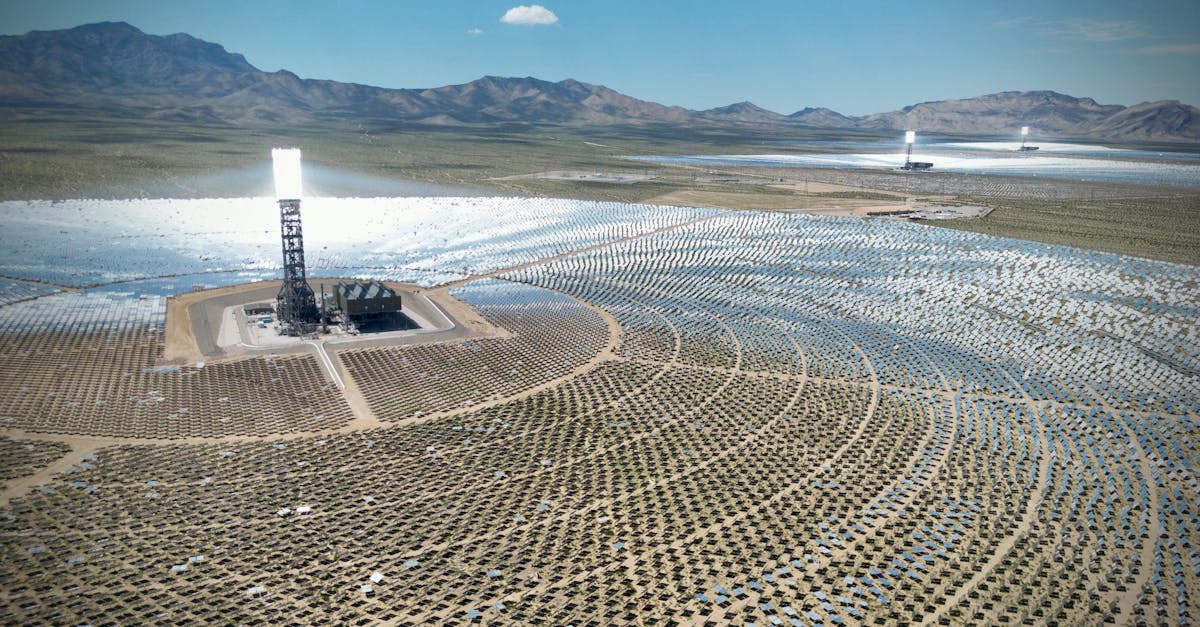
The potential revival of U.S. energy dominance under a second Trump term threatens to shift global market shares and pressure Middle Eastern production strategies.
The return of Donald Trump to the White House points toward a renewed "energy dominance" strategy that seeks to leverage United States oil and gas production to influence Middle Eastern markets. This policy framework prioritizes domestic fossil fuel expansion to reduce global reliance on regional energy suppliers while maintaining a heavy hand in OPEC+ pricing dynamics. Energy Independence and Global Supply Control During his previous term, the Trump administration oversighted record-breaking U.S. crude oil production, which peaked at approximately 13 million barrels per day in early 2020. This surge positioned the U.S. as a net exporter of total petroleum products, altering the traditional power balance between Washington and major Gulf producers. By ramping up domestic output, the administration aimed to insulate the American economy from price shocks originating in the Middle East. For UAE and regional stakeholders, this means preparing for a competitive market where U.S. liquefied natural gas (LNG) and crude exports directly contest market share in Europe and Asia. Trump’s stated intent to "drill, baby, drill" suggests a secondary term would involve deregulating federal lands…