Finance
Tankers go dark in Strait of Hormuz to bypass Iranian attacks
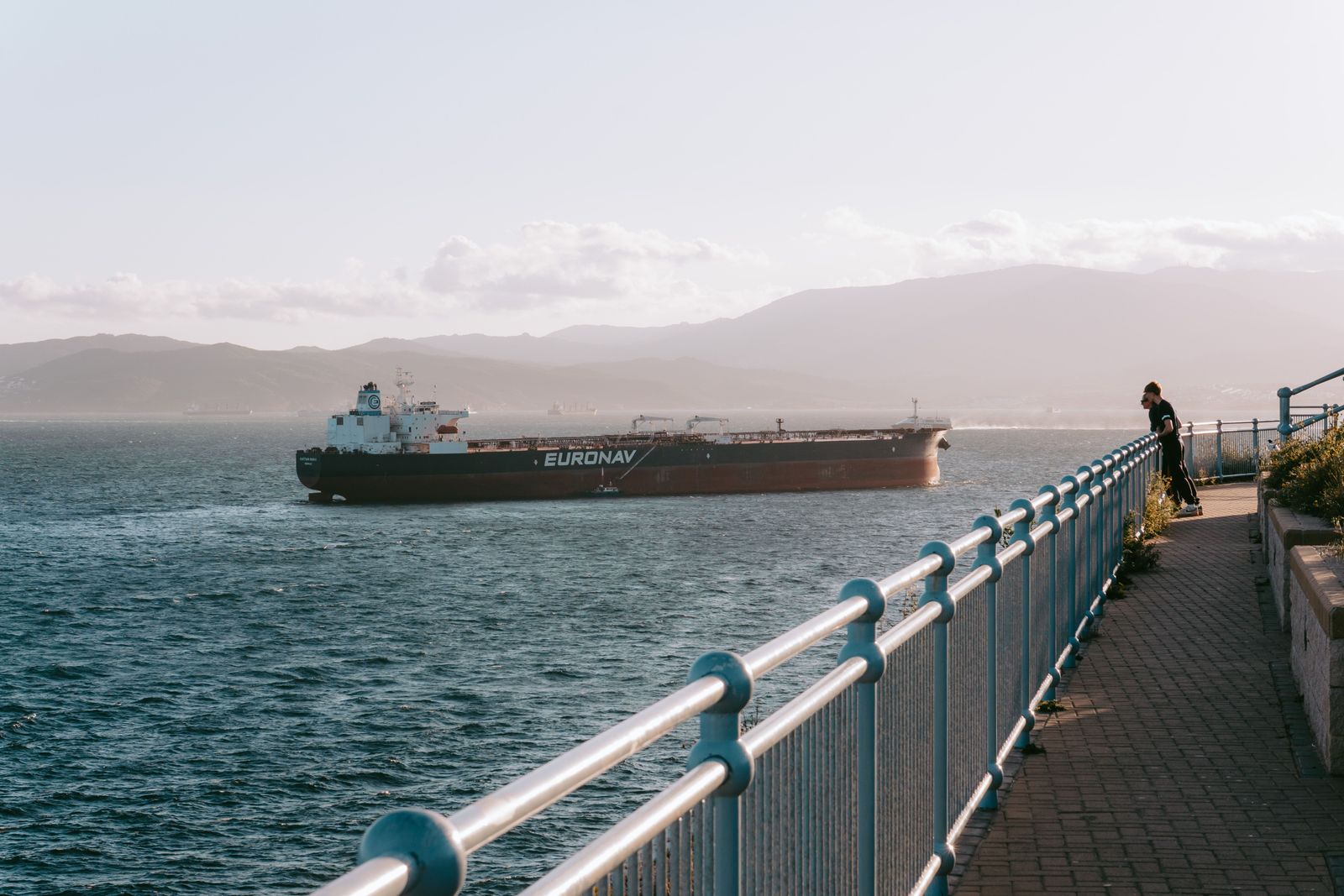
About 80 per cent of tankers in the Strait of Hormuz are switching off transponders to avoid Iranian attacks, according to Kpler data.
Oil tankers transporting millions of barrels of Gulf crude are increasingly disabling their tracking systems to navigate the Strait of Hormuz, adopting a "dark" transit strategy to evade Iranian drone attacks and missile strikes. According to shipping analytics firm Kpler, approximately 80 per cent of traffic through the world’s most critical energy chokepoint has operated with Automatic Identification System (AIS) transponders switched off over the past two weeks. US Military protects southern corridor The shift follows a strategic intervention by US Central Command (CentCom), which is currently assisting commercial vessels through a southern corridor close to Oman. Since May 2026, more than 1,300 commercial vessels have transited the strait under this protective umbrella. The operation utilizes ships, helicopters, and aircraft to intercept threats, though the New York Times reports that at least 15 ships using these southern routes have been struck since the beginning of June. The tactic mirrors the "dark fleet" methods historically used by Iran to bypass sanctions, but it is now being utilized by global suppliers to maintain energy security. By disappearing from electronic…
Source: Gulf News