Finance
Strait of Hormuz Tanker Traffic Stabilizes Amid Global Energy Demand
By 19Network Editorial Team · May 25, 2026 · 2 min read
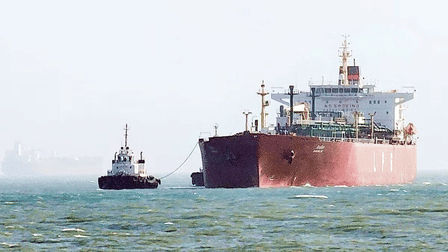
Oil and LNG tanker traffic remains steady through the Strait of Hormuz as global energy markets rely on the 21 million barrel-per-day corridor.
Traffic volume for oil and liquefied natural gas (LNG) tankers through the Strait of Hormuz has stabilized, with recent maritime data showing a consistent flow of shipments despite ongoing regional geopolitical tensions. The waterway remains the world’s most critical energy chokepoint, facilitating the passage of approximately 21 million barrels of crude and refined products daily. Energy Export Reliability Ship-tracking data indicates that major producers, including the UAE, Saudi Arabia, and Qatar, continue to utilize the strait for the bulk of their Asian and European exports. While Red Sea disruptions have altered global shipping routes, the Hormuz passage remains the primary exit point for over 20% of the world’s total petroleum liquid consumption and nearly one-third of global LNG trade. Industry analysts note that while insurance premiums for vessels in the region fluctuated earlier this year, the actual volume of tankers departing from ports such as Jebel Ali and Ras Laffan has not seen a significant contraction. Large Crude Carriers (VLCCs) and Suezmax vessels are maintaining scheduled rotations to major refineries in China, India, and Japan. Strategic Importance to UAE…