World
Strait of Hormuz Security Depends on Regional Diplomacy and Transit Guarantees
By 19Network Editorial Team · Jun 1, 2026 · 2 min read
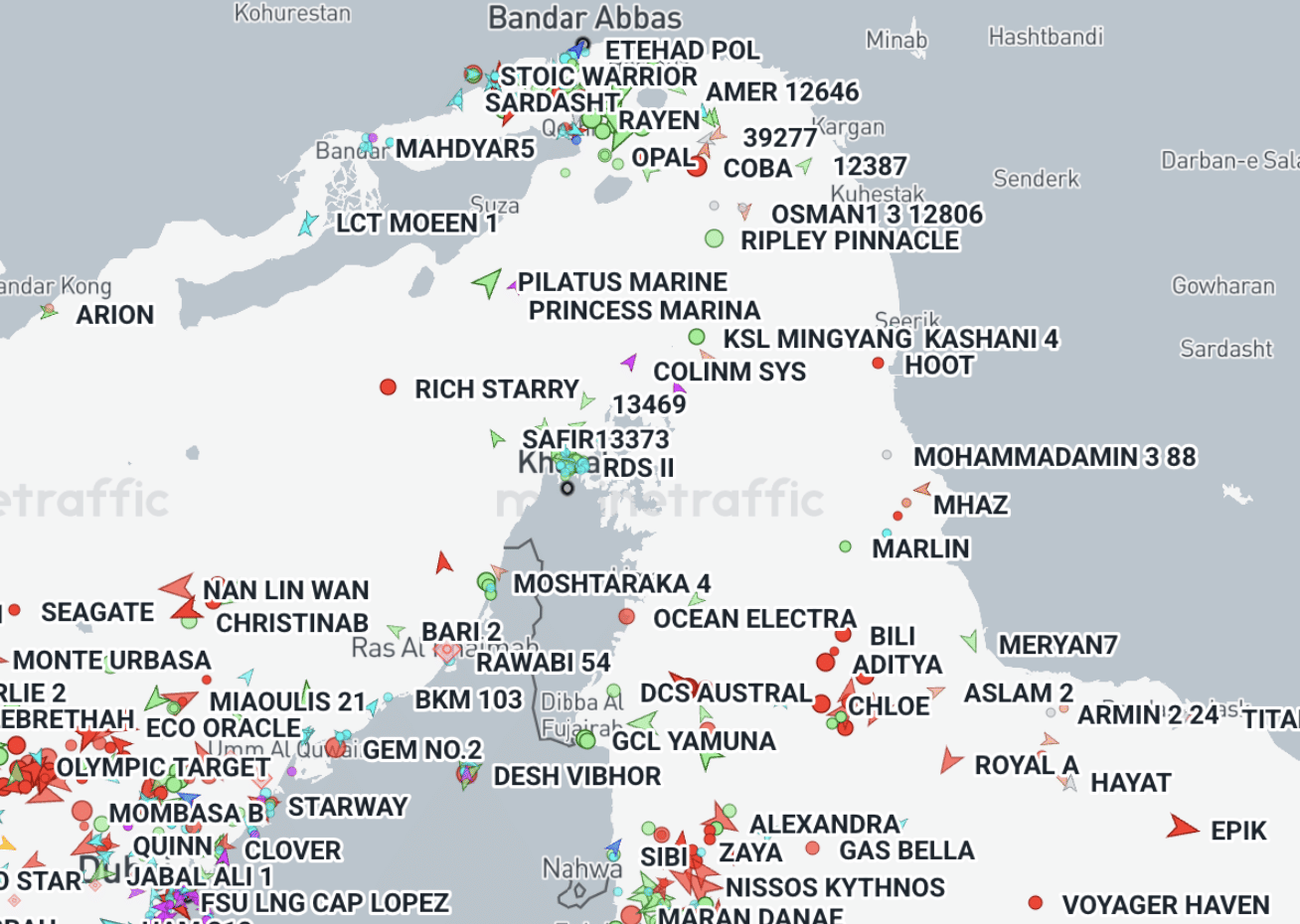
Regional stability and energy security hinge on de-escalating maritime tensions in the world's most critical oil chokepoint.
The Strait of Hormuz remains the world’s most critical oil chokepoint, with approximately 21 million barrels of crude and petroleum products passing through the waterway daily. Recent regional escalations have renewed concerns over the security of this 21-mile-wide passage, which connects the Arabian Gulf to the Gulf of Oman and the open ocean. Any disruption to traffic here affects nearly 20% of global petroleum consumption and remains a primary driver of price volatility in international energy markets. Infrastructure and Security Risks Current maritime data indicates that while shipping lanes remain open, insurance premiums for tankers operating in the region fluctuate based on geopolitical tensions between Iran and Western-backed coalitions. The legal framework governing the strait is the 1982 United Nations Convention on the Law of the Sea (UNCLOS), which provides for "transit passage" through international straits. However, because Iran is not a party to UNCLOS, it maintains that only "innocent passage" applies, granting its maritime forces broader discretion to intercept vessels under specific security conditions. Energy Diversification and Pipelines Regional exporters…