UAE
Regional Conflict Triggers Surge in Carbon Emissions and Water Insecurity
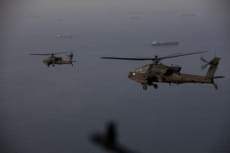
Military operations and infrastructure strikes are accelerating ecological damage and water insecurity across the Middle East.
Escalating military activity in the Gulf involving the US, Israel, and Iran is creating a dual crisis of regional security and environmental degradation. Operations including naval patrols, missile exchanges, and infrastructure sabotage are releasing high volumes of carbon emissions and toxic pollutants, threatening the fragile ecosystems of the Arabian Peninsula. Pollution and Carbon Footprints Modern military operations are among the world’s most carbon-intensive activities. The deployment of carrier strike groups and continuous aerial surveillance in the Gulf requires massive fuel consumption. Direct kinetic actions, such as missile strikes on energy infrastructure or naval vessels, result in immediate environmental catastrophes. Oil spills from targeted tankers and smoke plumes from burning refineries introduce heavy metals and hydrocarbons into the air and sea, impacting desalination plants that provide the majority of the UAE and Saudi Arabia's potable water. Climate Vulnerability in the Gulf The Middle East is warming at twice the global average, making it one of the most climate-vulnerable regions on earth. Regional conflict diverted resources away from critical climate…
Source: Gulf News