World
Maritime Milestone: First Qatar LNG Tanker Navigates Strait of Hormuz in Weeks Amid Heightened Escorts
Ship-tracking analytics confirm the exit of the Al Areesh carrier from the strategic transit corridor, signaling potential relief for international liquefied natural gas supply chains.
By 19Network Editorial Team · Jul 30, 2026 · 5 min read
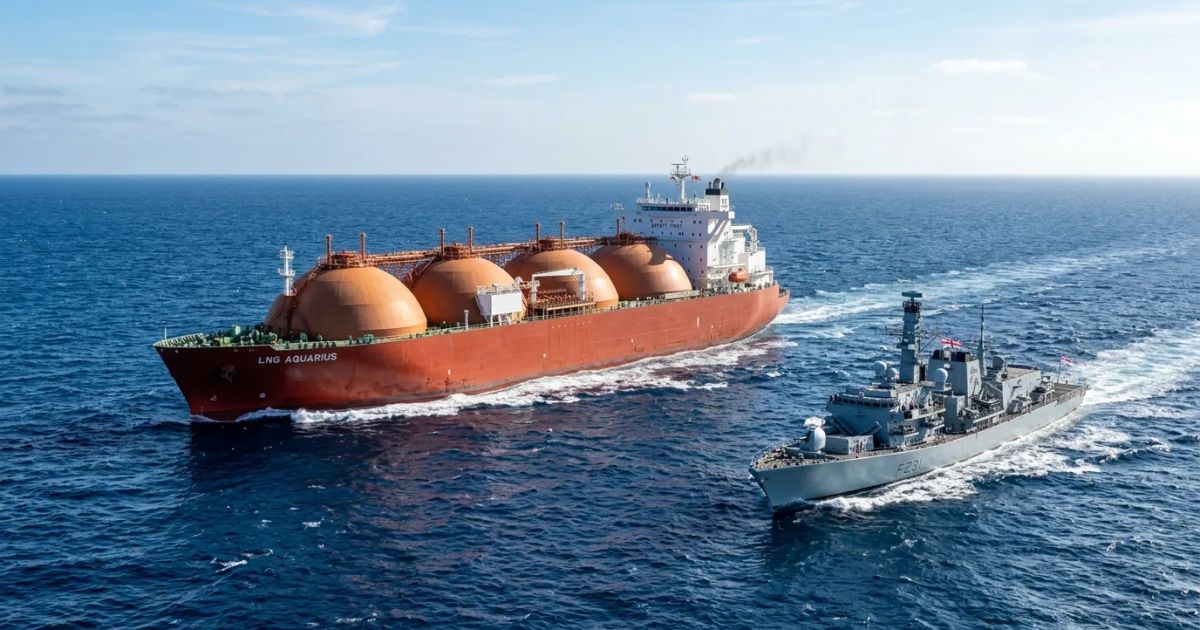
In a significant development for international energy markets, a QatarEnergy-controlled liquefied natural gas carrier successfully navigated out of the Strait of Hormuz. The passage marks the first Qatari LNG export transit through the vital marine bottleneck in three weeks.
Anxiety across international energy markets eased slightly as maritime intelligence data confirmed that a QatarEnergy-controlled liquefied natural gas (LNG) carrier successfully completed transit through the Strait of Hormuz. The movement represents the first visible passage of a Qatari LNG vessel out of the strategic waterway in three weeks, providing a crucial operational signal to global gas utilities and industrial buyers. According to vessel-tracking datasets from analytics firms Kpler and LSEG, the 148,800-cubic-meter LNG carrier Al Areesh completed its outward transit overnight. The vessel had previously loaded its cargo at Qatar's massive Ras Laffan industrial complex before waiting for appropriate operational clearances to navigate the narrow passage. The ship is currently maintaining steady course through international waters toward Port Qasim, Pakistan, with arrival scheduled for late July. The passage carries immense geopolitical and economic significance. The Strait of Hormuz serves as the world's premier energy transit choke point, handling roughly one-fifth of global liquefied natural gas trade and vast volumes of crude oil. Over recent weeks, commercial shipping traffic through the corridor had slowed dramatically following heightened regional maritime alerts and updated transit authorization protocols imposed across the waterway. While several crude oil tankers had maintained low-profile transits during the maritime slowdown, LNG carriers—which carry…