News
Philippines Political Dynasties Stifle Economic Growth Despite High Voter Turnout
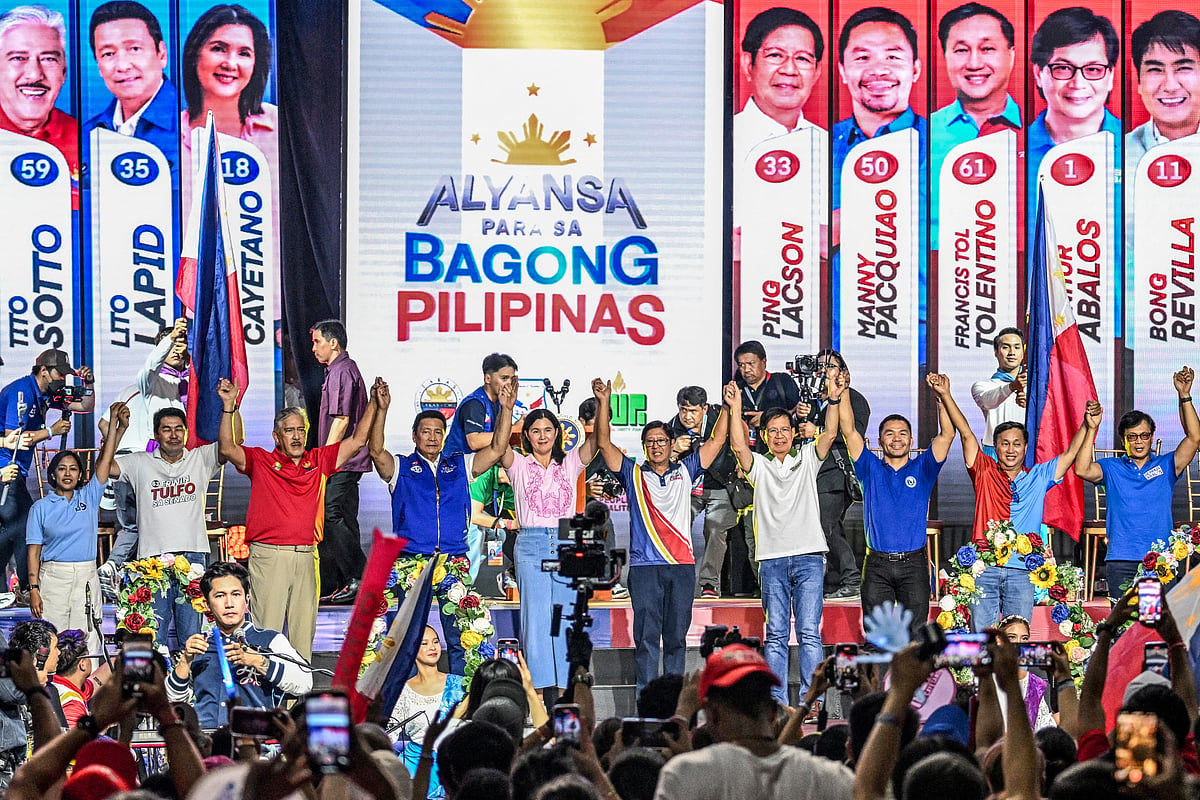
Despite high voter turnout and consistent GDP growth, political dynasties and structural poverty hinder progress in the Philippines.
The Philippines continues to struggle with high poverty rates and structural inequality despite maintaining a robust electoral system and recording high voter participation. While the country transitioned from the administration of Rodrigo Duterte to Ferdinand Marcos Jr. in 2022 with a clear mandate, the disconnect between democratic exercises and tangible economic development remains a central challenge for the Southeast Asian nation. Dynastic Control and Political Barriers Data from the 2022 general elections show that political dynasties continue to dominate the landscape, occupying approximately 80% of provincial governorships and 67% of seats in the House of Representatives. This concentration of power often prioritizes local patronage over national policy reform, effectively stalling legislation aimed at broadening economic competition or land reform. Despite a voter turnout of over 80% in recent cycles, the choice for the electorate is frequently restricted to established political families. The persistence of these power structures prevents the entry of new political actors with reform-centric platforms. This cycle ensures that while elections are held regularly and…
Source: Gulf News