World
Naval Marine Programs in Hormuz Raise Questions Over Coastal Defense Tactics
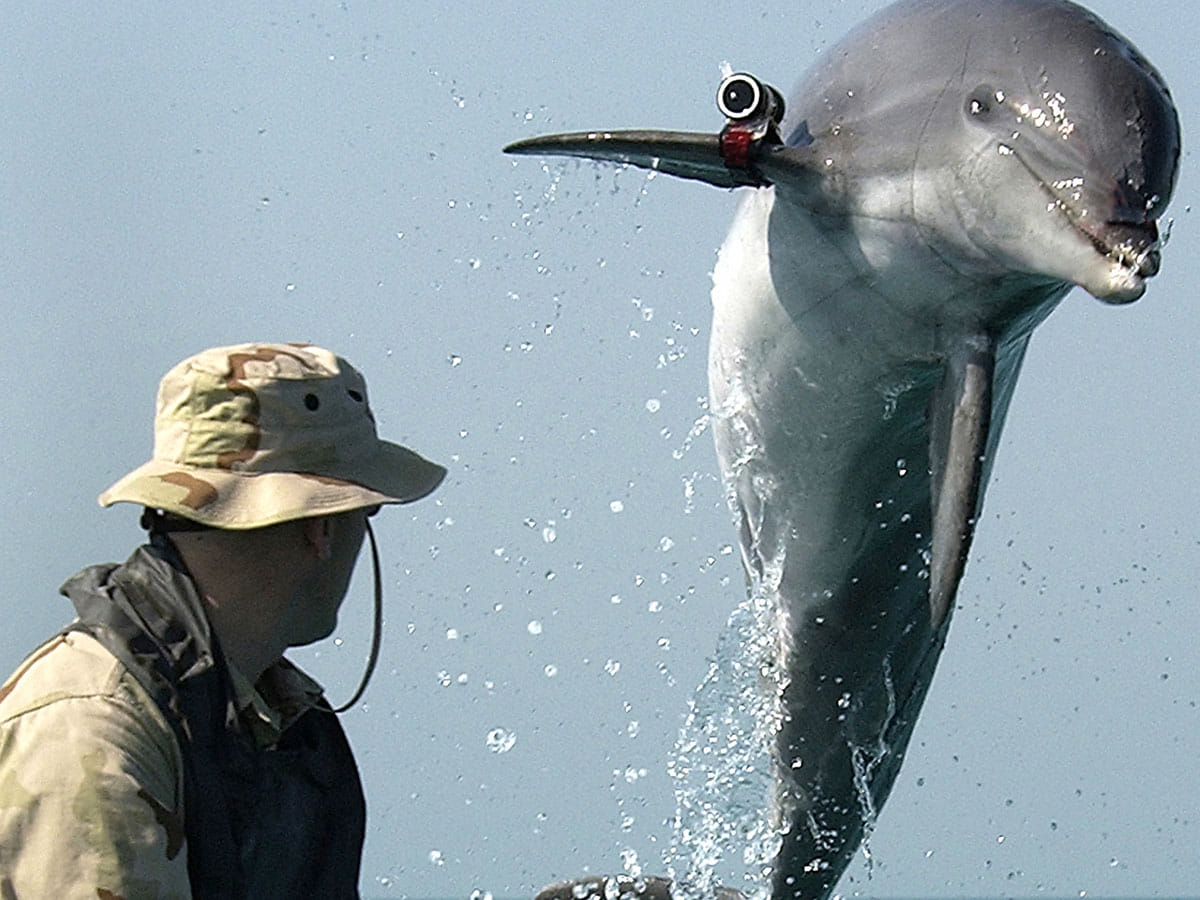
The deployment of naval marine mammals in global chokepoints remains a strategic reality despite sensationalist claims of offensive 'kamikaze' dolphins.
Speculation regarding the deployment of militarised marine mammals in the Strait of Hormuz has intensified following reports of naval animal programmes operated by global powers. While often dismissed as fringe theories, the United States and Russia maintain documented marine mammal divisions trained for underwater surveillance, mine detection, and swimmer interception. History of Naval Marine Mammal Programmes The U.S. Navy Marine Mammal Program, established in 1960 and based in San Diego, California, currently utilises bottlenose dolphins and California sea lions. These animals are trained to detect underwater mines and locate lost equipment in deep water where human divers or sonar technology may struggle. During the Iraq War in 2003, the U.S. deployed dolphins to Umm Qasr to clear mines, demonstrating the practical application of these units in Gulf waters. Conversely, Russia has operated its own programmes in the Black Sea and Arctic. Recent satellite imagery from Sevastopol suggested that the Russian Navy deployed trained dolphins during current regional conflicts to protect naval bases against underwater sabotage. These programmes focus on coastal defense rather than…
Source: Gulf News