News
Iran Maritime Strikes Reveal Fractured Military Command Structure
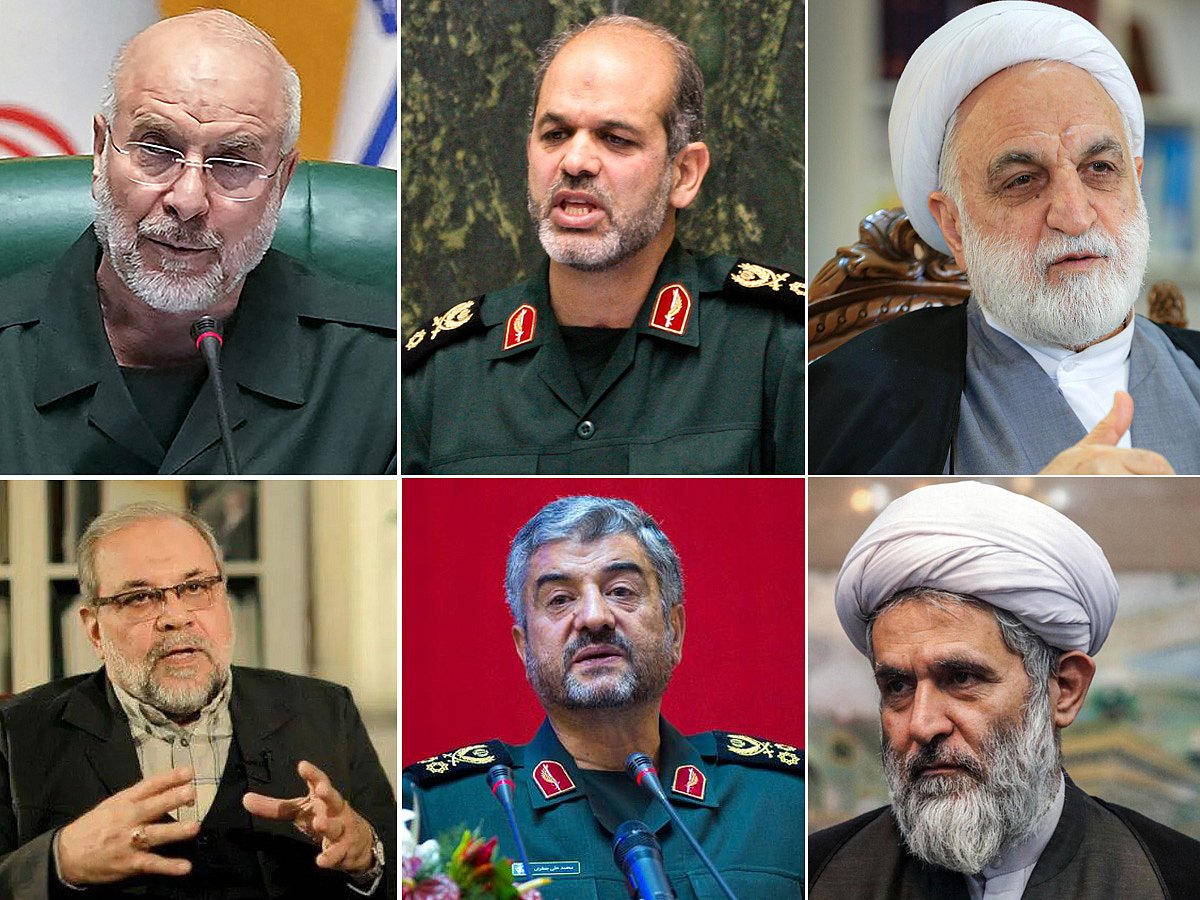
Maritime analysis suggests recent attacks on commercial vessels indicate a fragmentation of Iran’s IRGC command structure, shifting toward autonomous factional strikes.
Recent maritime strikes in the Middle East, involving three distinct commercial vessels and a high-profile military funeral, indicate a potential shift in Iran’s naval strategy and internal command hierarchy. Intelligence reports and regional analysts suggest that these operations may no longer be the product of a unified central command, but rather the result of fragmented factions within the Islamic Revolutionary Guard Corps (IRGC) acting with increasing autonomy. Targeted Maritime Operations The sequence of events involves attacks on three specific vessels: the Mercer Street, the MV Helios Ray, and the CSAV Tyndall. The most lethal of these, the July 2021 strike on the Mercer Street tanker off the coast of Oman, resulted in the deaths of a British security guard and a Romanian captain. Investigations by international maritime authorities identified the use of delta-wing "suicide" drones, a technology frequently attributed to IRGC-affiliated units. These incidents represent a departure from previous "limpet mine" tactics, moving toward high-precision aerial strikes designed to inflict kinetic damage and casualties. Command Fragmentation and Tactical Shifts The "funeral"…
Source: Gulf News