Finance
Gulf nations expand oil pipelines to bypass Strait of Hormuz risk
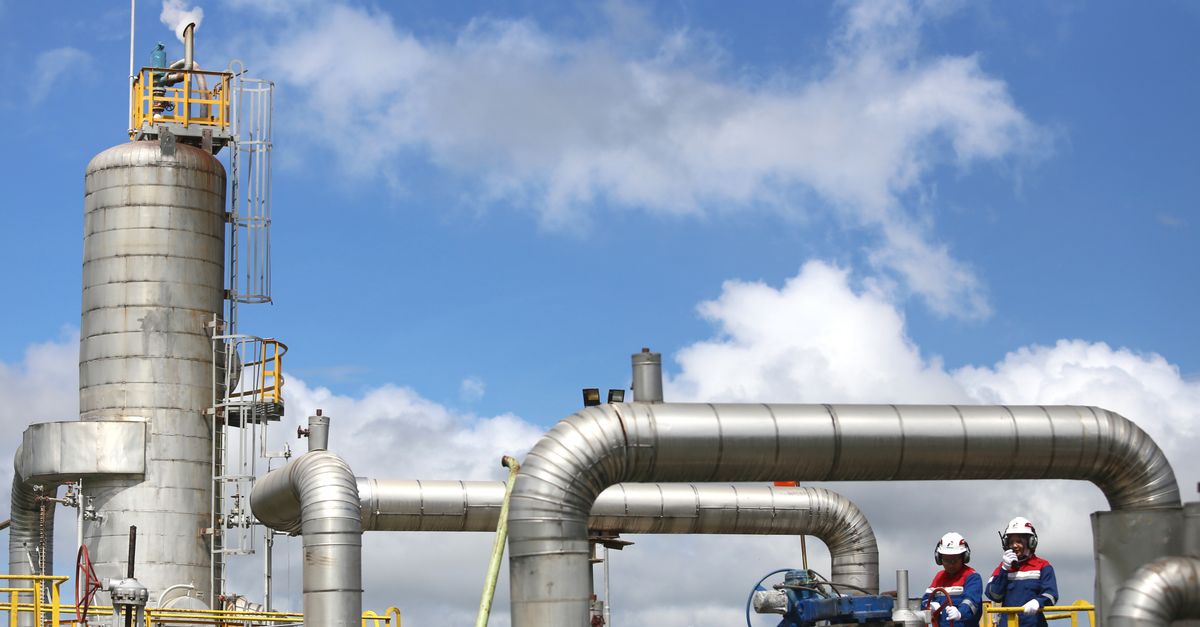
Gulf oil producers expand pipeline networks to bypass the Strait of Hormuz following 2025's 15 million barrel per day transit peak.
Gulf oil producers are accelerating the development of bypass pipelines and alternative export terminals to reduce reliance on the Strait of Hormuz, through which nearly 15 million barrels of crude passed daily in 2025. The shift comes as regional exporters seek to insulate global energy supplies from potential maritime disruptions in the narrow waterway. Expanding pipeline capacity The UAE and Saudi Arabia are leading the regional effort to redirect oil flows toward the Gulf of Oman and the Red Sea. Abu Dhabi currently operates the 370-kilometre Habshan-Fujairah pipeline, which can transport up to 1.5 million barrels per day (bpd) directly to the Port of Fujairah, bypassing the strait entirely. Similarly, Saudi Arabia utilizes the East-West Pipeline, a 1,200-kilometre link capable of moving 5 million bpd from its eastern fields to the Yanbu terminal on the Red Sea. According to data from the US Energy Information Administration (EIA), the Strait of Hormuz remains the world’s most critical oil chokepoint, accounting for approximately 20% of global petroleum liquids consumption. While current bypass capacity exists, it remains insufficient to handle the total volume of 15 million…