World
Global Tankers Disable AIS Systems in Hormuz to Evade IRGC Interference
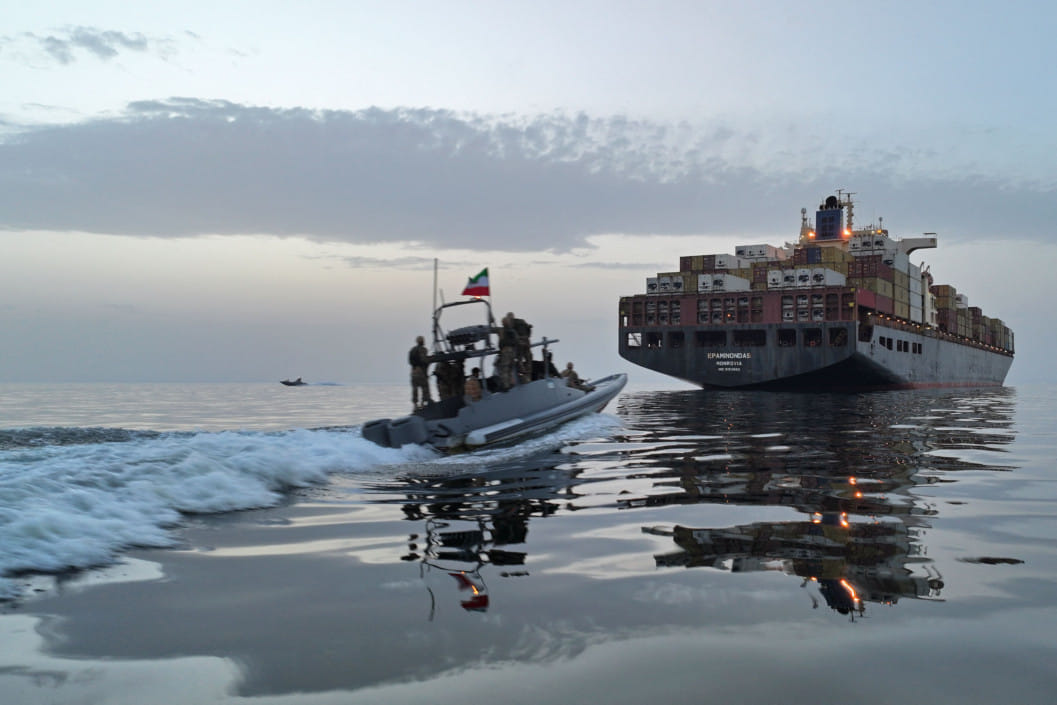
Global tankers disable tracking systems in the Strait of Hormuz to evade IRGC patrols, raising maritime collision risks.
Commercial vessels and oil tankers navigating the Strait of Hormuz are increasingly disabling their Automatic Identification Systems (AIS) to evade detection and seizure by Iran’s Islamic Revolutionary Guard Corps (IRGC). This "going dark" tactic has surged following a series of maritime escalations in the world’s most critical oil chokepoint, where a fifth of global petroleum consumption passes daily. Surge in AIS anomalies Ship-tracking data indicates a sharp rise in "spoofing" and signal interference near the Iranian coastline. By powering off transponders, captains attempt to hide their location, speed, and destination from IRGC patrol boats. However, maritime security experts warn that this practice increases the risk of collisions in one of the world's most congested shipping lanes. The Strait of Hormuz is barely 33 kilometers wide at its narrowest point, with shipping lanes in both directions only 3 kilometers wide. The IRGC has utilized fast-attack craft and helicopters to intercept vessels accused of maritime violations or smuggling. In response, global shipping firms are employing private security details and high-frequency communication protocols that do not rely on…
Source: Gulf News