Auto
Resilient Wheels: How New-Vehicle Sales are Defying Economic Uncertainty
Stabilizing at a robust 16.1 million SAAR pace, the mid-2026 automotive industry reflects a consumer base prioritizing cost-of-ownership efficiency and hybrid technology.
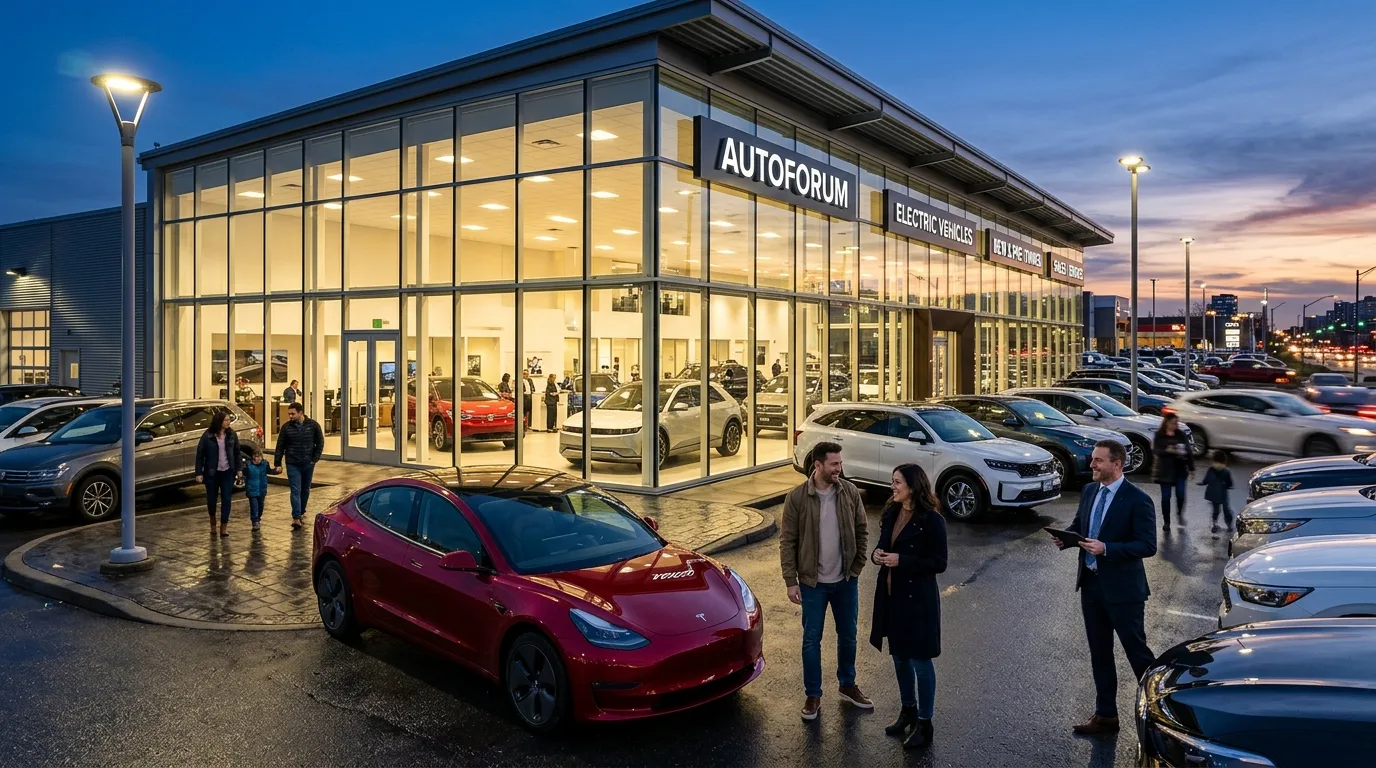
Despite continuous global monetary policy shifts and fluctuating energy costs, the new-vehicle market has revealed a steel backbone in the first half of 2026, anchored by strong corporate portfolios and a massive surge in hybrid adoption.
The global automotive landscape in the mid-point of 2026 is presenting an intriguing paradox to traditional economic theorists. While household budgets face compression from elevated interest rates and the rising cost of core essentials, consumer appetite for brand-new automobiles has refused to buckle. The latest industry performance forecasts indicate that the global Seasonally Adjusted Annual Rate (SAAR) for new-vehicle sales is holding steady near 16.1 million units. This represents a remarkably uniform pace across consecutive quarters, signaling a market that has effectively internalized recent macroeconomic volatility. Affordability, however, remains the defining boundary of the modern showroom floor. Industry economists point out that the financial pressure on buyers is no longer dictated purely by the sticker price of the automobile, but by the overall matrix of household liquidity. Elevated borrowing costs mean that strong equity markets and legacy household wealth are acting as the primary buffers keeping transactional volumes consistent. While total new-vehicle volume for the initial half of the year tracks slightly lower than the historic peaks of previous seasons,…