UAE
GCC Members Diverge on Iran Policy as National Interests Shift Alliance Goals
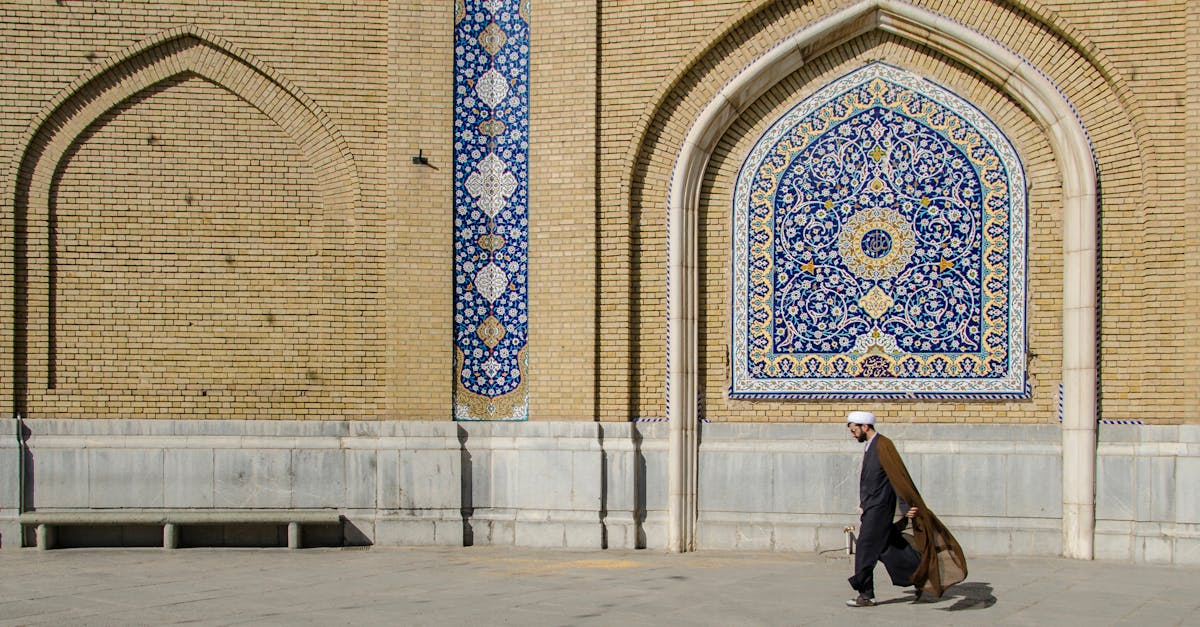
GCC member states increasingly prioritize individual foreign policies over unified regional blocs as relations with Iran shift toward pragmatism.
The Gulf Cooperation Council (GCC) faces a landscape of shifting alliances as member states navigate individual security priorities and diplomatic relations with Iran. While regional stability remains a shared objective, the methods for achieving it reveal a growing divergence between the six member nations: Saudi Arabia, the UAE, Qatar, Kuwait, Oman, and Bahrain. Historical Security Frameworks Formed in 1981, the GCC originally established a framework for collective security, primarily in response to the regional impact of the Iranian Revolution and the Iran-Iraq War. For decades, the perceived threat from Tehran served as the primary catalyst for coordination. However, the 2017 diplomatic crisis, which saw Saudi Arabia and the UAE lead a blockade against Qatar, demonstrated that internal fissures could override collective policy. Diversifying Diplomatic Strategies Recent shifts indicate a move toward de-escalation rather than uniform confrontation. Saudi Arabia and Iran restored diplomatic ties in March 2023 through a Chinese-brokered deal, signaling a pivot toward pragmatism. Similarly, the UAE has focused on economic de-escalation, maintaining trade links with Iran while…