World
GCC Moves to Reinforce Maritime Security as Strait of Hormuz Tensions Shape Regional Priorities
Regional leaders are focusing on navigation safety, alternative logistics corridors and supply-chain resilience as the Gulf’s strategic waterways face renewed pressure.
By 19Network Editorial Team · May 20, 2026 · 3 min read
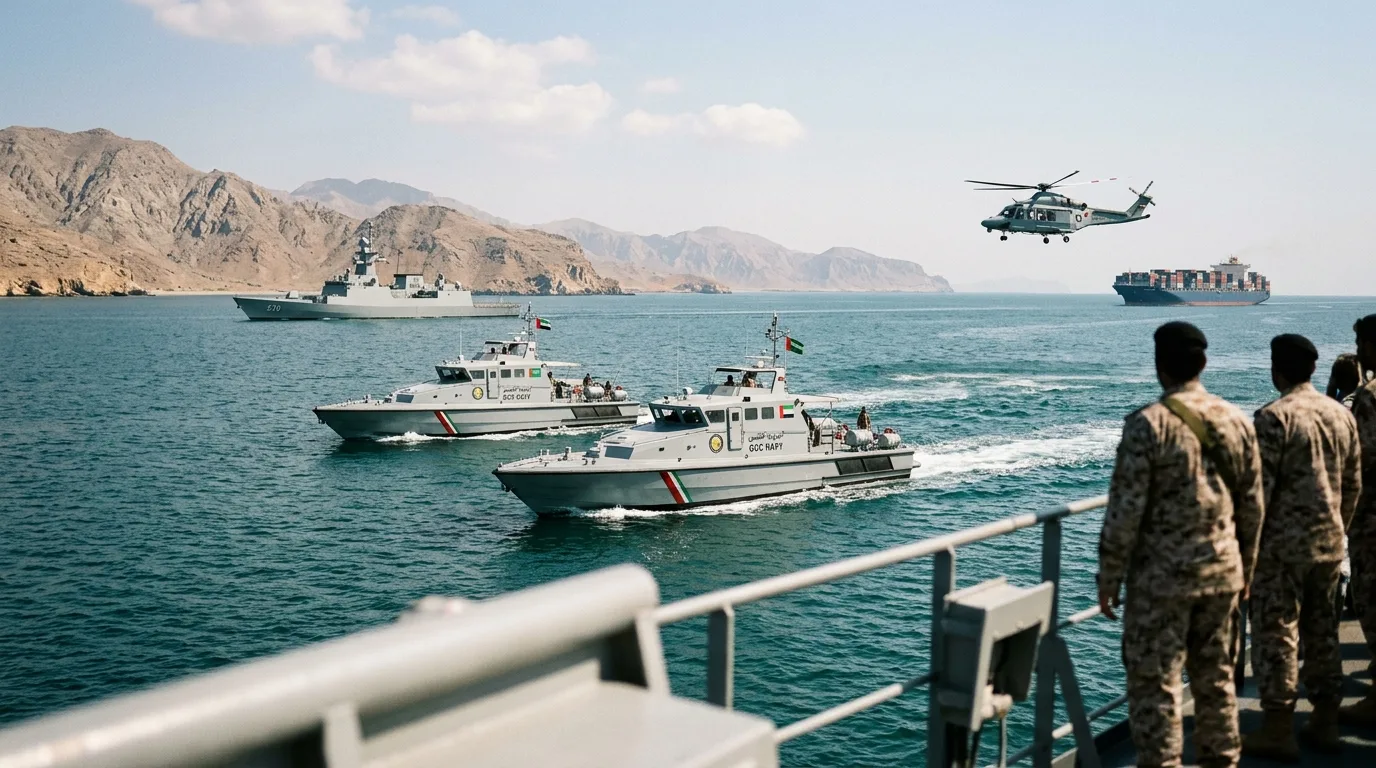
GCC officials say current conditions have made maritime security a top priority, with new emphasis on alternative routes, coordinated logistics and the protection of vital energy and trade corridors.
The GCC is stepping up its focus on maritime security and supply chain resilience as regional tensions continue to place the Strait of Hormuz and nearby waterways at the centre of policy discussions. According to statements from the GCC Secretariat, Gulf states have been moving quickly to protect the continuity of trade by activating alternative logistics corridors and coordinating customs facilitation to keep goods flowing despite disruptions. At the heart of the current debate is a simple but critical question: how does the region secure the movement of energy, food and commercial cargo when key maritime corridors are under pressure? The GCC’s answer has been to combine diplomacy with practical logistics planning. Officials have pointed to alternative routes through the Red Sea and Arabian Sea, alongside broader cooperation on customs, port operations and freight coordination, to reduce the risk of bottlenecks. The Secretariat has also framed the issue as one of international importance, noting that disruptions in Gulf waters do not stop at the region’s borders. Any slowdown in shipping can affect global energy markets, fertiliser deliveries, food security and industrial supply…