World
GCC Leaders Reject Iranian Authority Over Strait of Hormuz Shipping Lanes
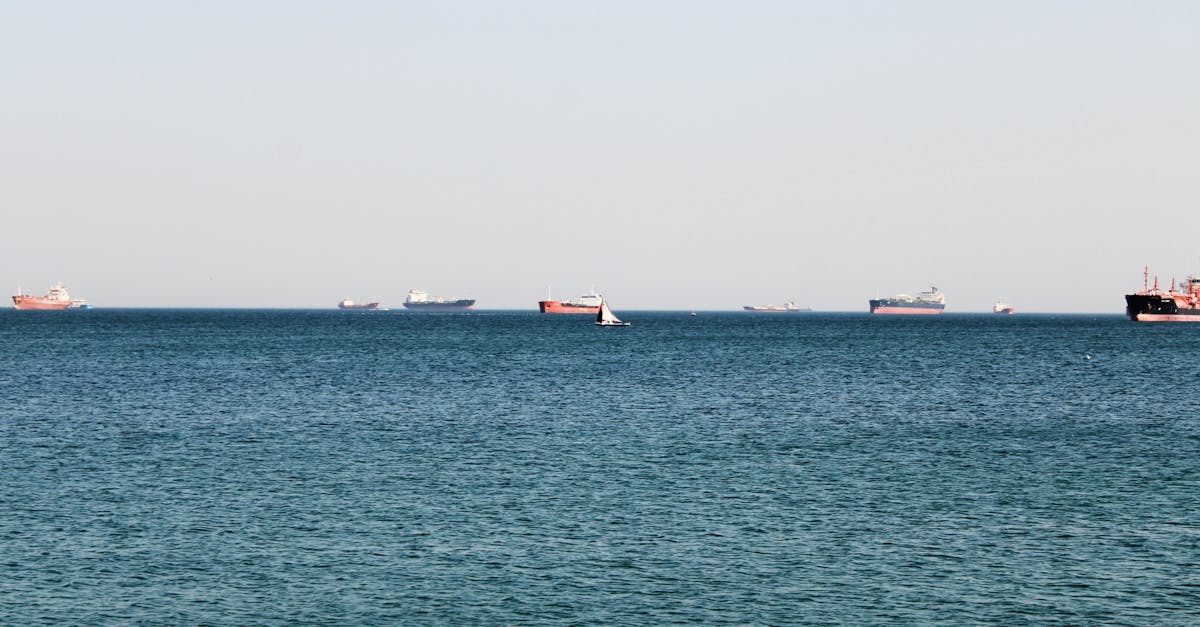
Gulf states reject Tehran’s claims of authority over the Strait of Hormuz to protect global oil supply routes.
Gulf Cooperation Council (GCC) member states have formally rejected Iranian claims of authority over the Strait of Hormuz, according to a report by the Wall Street Journal. The diplomatic friction centers on one of the world’s most critical maritime chokepoints, through which approximately 20% of the daily global oil consumption passes. Sovereignty and Maritime Security The dispute escalated following statements from Tehran asserting oversight of the waterway. GCC leaders, including representatives from the UAE, Saudi Arabia, and Kuwait, maintain that international law governs transit rights through the strait. The Gulf nations argue that any unilateral attempt to control the passage violates international maritime agreements and threatens the stability of global energy markets. The Strait of Hormuz connects the Gulf with the Gulf of Oman and the Arabian Sea. At its narrowest point, the shipping lane is only 3.2 kilometers wide in either direction, making it vulnerable to military posturing and regulatory interference. Current data indicates that over 18 million barrels of oil flow through this route every day. Regional Strategic Implications This rejection of Iranian control…