Finance
GCC Expands Strategic Pipelines Amid Increasing Strait Of Hormuz Security Risks
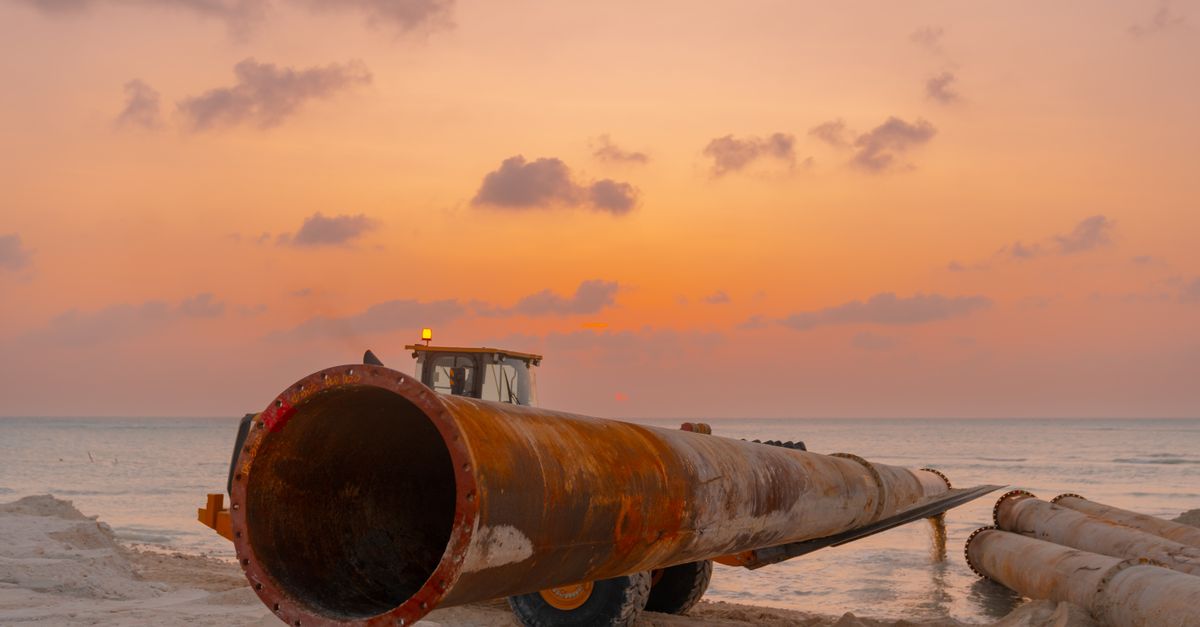
Gulf nations prioritize overland pipeline expansion and alternative ports to mitigate economic risks from Strait of Hormuz disruptions.
The Gulf Cooperation Council (GCC) faces critical infrastructure and economic security risks as regional tensions threaten the Strait of Hormuz, a maritime chokepoint through which approximately 21 million barrels of oil pass daily. Any sustained disruption to this corridor would halt a significant portion of the world’s liquid fuels supply, forcing GCC states to accelerate the development of overland pipeline networks and alternative port facilities. Infrastructure and Pipeline Resilience Diversification of export routes has become a strategic priority for regional heavyweights. Saudi Arabia currently operates the East-West Pipeline (Petroline), stretching 1,200 kilometres from the Eastern Province to Yanbu on the Red Sea. This facility has a capacity of five million barrels per day, serving as a primary bypass to the Strait. Similarly, the United Arab Emirates utilizes the Abu Dhabi Crude Oil Pipeline (ADCOP), which transports up to 1.5 million barrels per day from Habshan directly to the port of Fujairah on the Gulf of Oman. Despite these existing capacities, analysts warn that current pipeline volumes are insufficient to replace the full maritime throughput of the…