AI & Technology
The Silent Breach: How AI-Generated Inferences Are Forcing a Global Shift from Data Protection to Insight Governance
Gartner analysts warn that by 2029, traditional data security will fail to stop algorithmic reconstruction of personal insights from non-sensitive, aggregated datasets.
By 19Network Editorial Team · Jul 30, 2026 · 5 min read
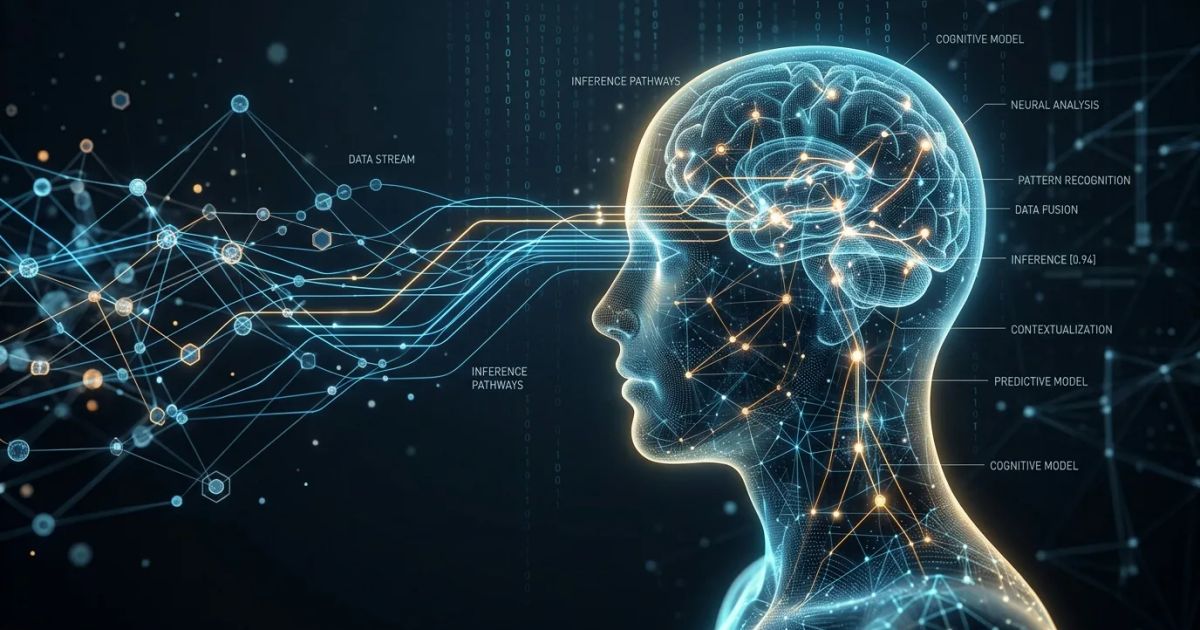
The fundamental nature of enterprise privacy risk has evolved. According to a landmark projection released by Gartner, the vast majority of future privacy breaches will occur without a single line of raw personal data ever leaving an organization's servers.
Enterprise cybersecurity strategies are reaching a critical structural inflection point. For decades, chief information security officers (CISOs) and corporate compliance boards focused their resources on building defensive perimeters around personally identifiable information (PII)—encrypting databases, locking down cloud storage buckets, and auditing access logs. However, according to an authoritative report released by Gartner, Inc., those traditional security controls will soon prove insufficient to protect individual privacy in an era dominated by advanced generative artificial intelligence and machine learning models. Gartner forecasts that by 2029, the majority of privacy breaches will arise not from the traditional theft or direct exposure of raw personal data, but from AI-generated inferences that reconstruct deeply personal attributes from seemingly harmless, aggregated datasets. As Bart Willemsen, VP Analyst at Gartner, highlights, the global technology sector is undergoing a fundamental transition "from data exposure to insight exposure". As organizations reduce their storage of raw personal information to meet strict regulatory frameworks, malicious actors and automated models are utilizing AI to execute inference-based attacks. By analyzing consumer spending habits, location pings, and digital interaction metadata, advanced algorithms can deduce highly sensitive personal details—such as undisclosed medical conditions, political affiliations, or personal…